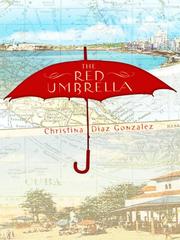
About The Red Umbrella
The Red Umbrella" by Christina Gonzalez is a poignant historical fiction novel that plunges readers into the tumultuous era of the Cuban Revolution through the eyes of twelve-year-old Lucia Alvarez. Living a comfortable life in her beloved Santa Clara, Lucia's world is irrevocably altered as Fidel Castro's regime tightens its grip, bringing political unrest, food shortages, and fear. Her parents, desperate to protect their children from the escalating violence and communist indoctrination, make the heart-wrenching decision to send Lucia and her younger brother, Frankie, to the United States as part of Operation Pedro Pan, a clandestine program that airlifted over 14,000 unaccompanied Cuban children to America.
The novel meticulously chronicles Lucia's journey from the vibrant warmth of Cuba to the stark, unfamiliar landscape of Grand Island, Nebraska, where she and Frankie are placed with a kind but culturally different foster family, the Baxters. Lucia grapples with profound culture shock, the English language barrier, the longing for her family and homeland, and the painful loss of her childhood innocence. Despite these immense challenges, she finds resilience, forms new friendships, and slowly begins to adapt, holding onto the red umbrella – a symbol of her Cuban identity and the hope of one day reuniting with her parents. The story powerfully illuminates the sacrifices made by families during political upheaval and the enduring human spirit in the face of displacement and uncertainty.
Key takeaways
- Children possess remarkable resilience and adaptability when faced with extreme adversity and displacement.
- Political revolutions profoundly impact ordinary families, often forcing unimaginable sacrifices and separations.
- Adapting to a new culture and language while maintaining one's identity is a complex and challenging process.
- The bonds of family and the longing for home can provide immense strength and motivation during times of exile.
- Hope, even a small symbol like a red umbrella, can be a powerful anchor in navigating uncertainty and loss.
- Understanding historical events like Operation Pedro Pan offers insight into the human cost of political conflict.
Key ideas at a glance
Exile and Displacement
- The bonds of family and the longing for home can provide immense strength and motivation during times of exile.
Family Separation
- Political revolutions profoundly impact ordinary families, often forcing unimaginable sacrifices and separations.
Resilience of Children
- Children possess remarkable resilience and adaptability when faced with extreme adversity and displacement.
Cultural Identity
- Adapting to a new culture and language while maintaining one's identity is a complex and challenging process.
Hope and Longing
- Hope, even a small symbol like a red umbrella, can be a powerful anchor in navigating uncertainty and loss.
Cuban Revolution Impact
- Understanding historical events like Operation Pedro Pan offers insight into the human cost of political conflict.
Chapter summaries
Life in Santa Clara, Cuba
Lucia Alvarez, a spirited twelve-year-old, enjoys a carefree life in her beloved Santa Clara, Cuba, surrounded by family and friends. However, the rising tide of Fidel Castro's revolution begins to cast a shadow over their idyllic existence. Shortages become common, political tensions mount, and the family starts to feel the oppressive changes in their daily lives, leading to growing anxieties about the future.
The Decision and Departure
As the political situation in Cuba deteriorates, Lucia's parents make the agonizing decision to send her and her younger brother, Frankie, to the United States. They participate in Operation Pedro Pan, a program designed to evacuate children. Lucia struggles to comprehend the separation from her parents and the life she knows, clutching a red umbrella given to her by her grandmother as a symbol of hope and return.
Arrival in America
Lucia and Frankie arrive in Miami, a bustling, overwhelming city that is a stark contrast to their Cuban home. After initial processing, they are sent to Grand Island, Nebraska, a place completely foreign to them. They are placed with a kind but unfamiliar foster family, the Baxters, beginning their journey of adaptation in a new country with a different language and culture.
Adjusting to Nebraska
Life with the Baxters presents numerous challenges for Lucia and Frankie. They face a language barrier, struggle with new customs, and experience deep homesickness. Lucia finds solace in new friendships, particularly with Tony, a local boy, and Manuel, another Cuban refugee. She slowly begins to navigate school and American life, all while clinging to the hope of her parents' eventual arrival.
Resilience and Hope
Despite the hardships, Lucia demonstrates remarkable resilience. She learns English, excels in school, and finds ways to connect with her new community while still cherishing her Cuban heritage. The red umbrella remains a powerful symbol of her identity and the unwavering hope that her family will one day be reunited. News from Cuba is scarce and often disheartening, but Lucia holds onto her dreams.
The Long-Awaited Reunion
After years of separation, longing, and uncertainty, Lucia and Frankie finally receive the news they have been waiting for. Their parents are able to leave Cuba and join them in the United States. The reunion is emotional and bittersweet, marking the end of their exile and the beginning of a new chapter for the reunited Alvarez family, forever changed but together once more.
Full summary
Chapter 20 Summary:
In Chapter 20, the protagonist, Lucia, grapples with her identity as a Cuban-American. The narrative explores her internal conflict as she navigates cultural expectations while feeling the weight of her family's history.
Chapter 21 Summary:
Lucia's relationship with her brother, who remains in Cuba, deepens. Their correspondence highlights the stark contrasts between their lives and emphasizes themes of separation and belonging.
Chapter 22 Summary:
In Chapter 22, Lucia's friends begin to drift away, reflecting her feelings of isolation. The chapter underscores the struggle of maintaining connections in a changing environment.
Chapter 23 Summary:
Lucia's discovery of her mother’s past during the Revolution adds depth to her understanding of family sacrifices. This revelation becomes pivotal for her character development.
Chapter 24 Summary:
The emotional weight of Lucia’s dual identity culminates in this chapter when she confron...
Characters
- Lucia AlvarezProtagonist, a 12-year-old Cuban girl sent to the U.S. during the revolution.
- Frankie AlvarezLucia's younger brother, who accompanies her to the U.S.
- Isabel Alvarez (Mama)Lucia's mother, who makes the difficult decision to send her children away.
- Fernando Alvarez (Papa)Lucia's father, who also stays behind in Cuba.
- Mrs. BaxterThe kind foster mother in Nebraska who takes in Lucia and Frankie.
- Mr. BaxterThe foster father in Nebraska.
- TonyA friendly American boy in Nebraska who becomes Lucia's friend.
- ManuelAnother Cuban boy Lucia meets, who shares similar experiences of exile.
Themes
- Exile and Displacement
- Family Separation
- Resilience of Children
- Cultural Identity
- Hope and Longing
- Cuban Revolution Impact
About Christina Gonzalez
Christina Gonzalez is an American author known for her historical fiction, particularly for young readers. "The Red Umbrella" is her debut novel, inspired by the true events of Operation Pedro Pan, a program that brought over 14,000 unaccompanied Cuban children to the United States between 1960 and 1962. Gonzalez's connection to the Cuban experience, often through family stories and research, informs her writing, allowing her to craft authentic and emotionally resonant narratives that shed light on significant historical periods and the human experiences within them.
FAQ
What is The Red Umbrella about?
"The Red Umbrella" tells the story of Lucia Alvarez, a 12-year-old Cuban girl whose life is upended by the Cuban Revolution. Her parents send her and her younger brother, Frankie, to the United States as part of Operation Pedro Pan, where they must adapt to a new culture and language while longing for their family and homeland.
Is The Red Umbrella worth reading?
Yes, "The Red Umbrella" is highly recommended, especially for middle-grade and young adult readers. It offers a compelling and emotionally resonant historical account of Operation Pedro Pan and the profound impact of political upheaval on families. The story highlights themes of resilience, cultural identity, and the enduring power of hope.
How does The Red Umbrella end?
Spoiler: The book concludes with the long-awaited reunion of Lucia and Frankie with their parents in the United States. After years of separation and uncertainty, the Alvarez family is finally able to be together again, marking a poignant end to their period of exile and a hopeful new beginning.
Who should read The Red Umbrella?
This book is ideal for middle-grade and young adult readers (ages 10-14) interested in historical fiction, stories about immigration, or the Cuban Revolution. It's also suitable for anyone looking for a touching narrative about family, resilience, and adapting to new cultures.
How long does it take to read The Red Umbrella?
Based on an average reading speed of 250 words per minute, "The Red Umbrella" typically takes about 3 to 3.5 hours (approximately 180-210 minutes) to read.