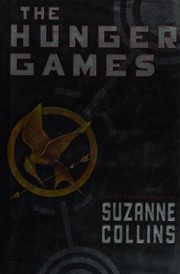
The Hunger Games
In 60 seconds
In post-apocalyptic Panem, the Capitol forces each district to send two children into a televised fight to the death. When twelve-year-old Prim is reaped, her sister Katniss volunteers and enters the arena with Peeta, the baker's son who once saved her from starvation. Katniss survives fire, wasps, and assassins, allies with the young Rue, and loses her. A last-minute rule change lets two victors win together, then is revoked, so Katniss threatens a double suicide with poisonous berries, forcing the Capitol to crown them both. Back home, she must pretend her love was real all along.
Before you start
Why it matters
This is the book that made dystopia required reading for a generation, and it earns the hype. Collins fuses reality TV, Roman spectacle, and raw survival into a story where every kill is a moral question and every smile for the camera is a small act of war. Read it if you want a propulsive plot that still asks who you become when the whole world is watching and the rules can change at any moment.
Spoilers ahead
The story
- 1
Act 1
The Reaping
Reaping day in District 12, a coal district where hunger is a constant companion. Katniss Everdeen, sixteen, has kept her family alive since her father died in a mine explosion five years before the story begins, when Katniss was eleven, hunting with the bow he taught her. At the ceremony, Effie Trinket reaches into the glass ball and announces the name: 'Primrose Everdeen.' Katniss screams and shoves her twelve-year-old sister back, volunteering as tribute in her place. The crowd gives Katniss the District 12 three-finger salute. The boy drawn is Peeta Mellark, the baker's son. Katniss remembers when she was eleven and starving, and Peeta deliberately burned two loaves of bread and gave them to her, saving her family and giving her the strength to keep hunting. Now she owes her life to the boy she must eventually kill. Before Katniss leaves for the Capitol, Prim makes her promise to try to win, her mother must not drift away again, Gale promises to feed the family, Peeta's father gives her cookies and says he'll watch over Prim, and Madge Undersee, the mayor's daughter, gives Katniss a gold mockingjay pin to wear as her token in the arena. On the train to the Capitol, Katniss and Peeta meet their mentor Haymitch Abernathy — the only living District 12 victor, who won the 50th Hunger Games (the Second Quarter Quell) and is initially drunk and dismissive — along with their Capitol escort Effie Trinket. In the Capitol, Katniss's stylist Cinna, a quiet, kind man in his first year who asked to be assigned District 12, dresses Katniss and Peeta in costumes lit with synthetic flames. The costumes earn Katniss the nickname 'the girl on fire.'
- 2
Act 2
The Girl on Fire
Training days in the Capitol, where survival is also a performance. Katniss and Peeta are coached to charm sponsors, whose gifts can drop into the arena and save a life. During her private training session with the Gamemakers, after they ignore her, Katniss shoots an arrow into the apple in a roasted pig's mouth, pinning it to the table. The stunt earns her a training score of 11 — the highest of all 24 tributes. On the Training Center roof, Peeta tells her what kind of man he wants to be in the arena: 'I want to die as myself,' refusing to let the Capitol turn him into a piece in their Games. Then comes his interview with Caesar Flickerman. Peeta confesses he has loved Katniss since he first saw her. The audience melts; Katniss is shocked and furious, convinced it is a ploy to win sponsors, until Haymitch points out the obvious: it worked. His team promotes them as star-crossed lovers. The 74th Hunger Games begin at the Cornucopia, a giant golden horn filled with supplies. Ignoring Haymitch's advice to flee, Katniss grabs a backpack and narrowly escapes the opening bloodbath in which nearly half the 24 tributes — eleven — die on the first day. After severe dehydration, Katniss finds water in a stream. The Gamemakers drive Katniss toward the Career pack with a wall of artificial fire and fireballs that burn her hands and calf. She is chased up a tree by the Careers, led by Cato, the male tribute from District 2, with Peeta now allied with them.
- 3
Act 3
Rue and the Wasps
Trapped in a tree with killers below, Katniss gets help from an unlikely ally. Rue, the 12-year-old District 11 tribute hiding in a nearby tree, points out a tracker jacker nest to Katniss. Katniss saws the branch down, dropping the genetically altered wasps on the Careers below, killing Glimmer and the girl from District 4. Katniss takes Glimmer's bow and arrows before the venom causes terrifying hallucinations of her deepest fears, including ants crawling over her and Prim dying. She wakes to learn Peeta saved her. Peeta, now allied with the Careers, finds Katniss at the tree and shouts at her to run instead of killing her. Katniss and Rue form an alliance. Rue taught her a four-note whistle used as a signal in District 11's orchards; they plan to destroy the Careers' food stockpile, and Katniss learns Peeta is no longer with the Careers. Katniss shoots three arrows into a bag of apples, spilling them onto the buried mines and blowing up the Careers' supplies at the Cornucopia. Rue is caught in a net and speared through the stomach by the District 1 boy Marvel. Katniss kills him with an arrow, then sings Rue a lullaby — the meadow song her father used to sing — as she dies, and promises not to let the Capitol win. She covers Rue's body with wildflowers and salutes District 11. In gratitude for the way Katniss treated Rue, District 11 sends her a loaf of bread — an unprecedented gift from another district, and her first sponsor gift in the arena. Claudius Templesmith, the Games' announcer, announces a rule change allowing two tributes from the same district to win together as a pair. Katniss calls out Peeta's name and goes looking for him.
- 4
Act 4
The Berries
Katniss finds Peeta camouflaged with mud into a riverbank, severely wounded in his leg by Cato's sword after the tracker jacker incident. She cleans his wounds, applies medicinal leaves, and they hide in a cave, where she kisses Peeta while pretending to be in love for the cameras. Moments later, Haymitch sends them a pot of broth, confirming the romance strategy works. At the Feast, Katniss risks her life to get the medicine for Peeta despite his protests. Clove, the Career from District 2, attacks her with knives and gloats about Rue's death, but Thresh, the male tribute from District 11, kills Clove and spares Katniss for Rue's sake. Katniss injects the sponsor-sent medicine into Peeta's bloodstream, saving his life; they survive a flood, and Thresh is later killed by Cato, as announced by the deaths. Foxface, the clever District 5 tribute, dies after stealing and eating Peeta's poisonous nightlock berries, leaving Katniss, Peeta, and Cato as the final three. The Gamemakers release wolf-like muttations with the eyes of the dead tributes, chasing Katniss, Peeta, and Cato to the Cornucopia. In the final fight Cato holds Peeta hostage, Katniss shoots his hand, Peeta throws him to the wolves, and after Cato is mauled overnight Katniss mercifully shoots him with an arrow to end his suffering. After Cato's death, Claudius Templesmith announces the rule change has been revoked and only one victor is allowed. In defiance, Katniss pulls out poisonous nightlock berries, offers half to Peeta with 'On the count of three?', and just before they eat them the Gamemakers relent and declare Katniss and Peeta joint victors of the 74th Hunger Games. Haymitch warns Katniss that her berry stunt has made the Capitol furious and that she has made enemies who would like to see her dead; she must now act as though her love for Peeta was real — the reason for the berries, not defiance — and play the lovesick girl flawlessly to survive. On the train back to District 12, Peeta learns that Katniss's affection in the arena was partly a calculated strategy for the cameras and is heartbroken, turning cold toward her. Katniss is unsure of her own true feelings for Peeta and Gale, ending the book uncertain about her future and her identity.
Who's who
Characters
- Katniss EverdeenA sixteen-year-old hunter from District 12 who volunteers for the Games to save her sister Prim. She survives on skill, defiance, and a growing instinct to perform for the cameras, and comes home a victor unsure whether any of her feelings, for Peeta or Gale, are her own.
- Peeta MellarkThe baker's son who once saved Katniss from starvation with burned bread and confesses his love for her on live television. Wounded by Cato's sword, he loses a leg but survives to be crowned joint victor, then learns her affection was partly strategy and turns cold.
- RueThe twelve-year-old District 11 tribute who becomes Katniss's ally and teaches her a four-note signal whistle. She dies speared by Marvel, and Katniss's flowers over her body spark a gift of bread from District 11.
- Haymitch AbernathyDistrict 12's only living victor, winner of the 50th Games, drunk and dismissive until he becomes Katniss's strategist. He coaches her to play the lovers' angle and later warns her the berry stunt has made the Capitol furious.
- CatoThe Career leader from District 2 who hunts the weaker tributes and wounds Peeta. He is thrown to the wolf muttations at the Cornucopia and, after a night of mauling, is killed by Katniss's arrow as an act of mercy.
- CinnaKatniss's quiet, kind stylist, a first-year Capitol man who asked for District 12. His synthetic-flame costumes make Katniss 'the girl on fire' and give her an image sponsors cannot ignore.
- Effie TrinketThe Capitol escort who draws the tributes' names at the reaping and chaperones them to the Games, all pink hair and etiquette while children are sent to die.
- Gale HawthorneKatniss's hunting partner and closest friend, who promises to feed her family while she is in the arena. He waits at home, one half of the feelings Katniss cannot sort out by the last page.
What it's really about
Themes
Survival versus humanity
The Games are engineered to strip tributes of everything but the instinct to live, and Katniss fights that erosion at every turn. She refuses to flee the Cornucopia, yes, but she also sings a lullaby to Rue as she dies, covers her body in wildflowers, and shoots Cato to end his suffering rather than for spectacle. Peeta draws the same line on the Training Center roof when he says, 'I want to die as myself.' The book keeps asking what staying alive is worth if the price is becoming what the Capitol wants you to be. Its answer: survival only counts if you keep choosing who you are.
Performance and authenticity
Everything in Panem is a broadcast, and the tributes who survive are the ones who can act. Katniss scores an 11 by shooting an apple in a pig's mouth; Peeta wins hearts by confessing love on camera; a kiss in a cave produces a pot of broth from Haymitch within moments. The romance is partly strategy, and the tragedy is that Katniss loses track of which parts are real. By the end she must perform the lovesick girl flawlessly just to stay alive, and Peeta's heartbreak on the train comes from learning the performance was partly real to her and partly not. The book's point: under total surveillance, the self becomes a role you can no longer step out of.
Defiance and the cost of rebellion
Small gestures carry enormous weight in Panem. Katniss covering Rue's body with flowers is read as defiance of the Capitol; her saluting District 11 earns her bread; and the nightlock berries, offered with 'On the count of three?', force the Gamemakers to crown two victors rather than stage a finale with none. Each act wins something and costs something: the flowers make the Capitol furious, the berries make her enemies who would like to see her dead. The book shows rebellion beginning not with armies but with a girl refusing to play her assigned role on live television, and the government noticing.
Inequality and spectacle
The Careers, tributes trained from childhood in the wealthy districts, hunt in a pack while children like Rue and Katniss scavenge. The Capitol eats richly while District 12 starves; Katniss hunts illegally to keep her family fed after her father's mine death. The Games themselves are the ultimate inequality, poor children's deaths as entertainment for a wealthy audience, complete with sponsors who send gifts to favorites. Collins's satire of reality television is sharp: the audience votes with gifts, the producers change the rules for drama, and the contestants must build a persona to survive. The spectacle is the point; the cruelty is the business model.
Love as strategy and as truth
The star-crossed lovers angle is Haymitch's marketing plan, and it works: sponsors respond to the romance, broth arrives after a kiss, medicine arrives when Katniss plays desperate. Yet the book keeps the question genuinely open. Peeta's confession since he first saw her is sincere; Katniss's cave kisses are calculated; her grief for him when he is wounded is not. The ending refuses to resolve it: Peeta learns the truth and turns cold, and Katniss admits she does not know what she feels for him or for Gale. The book's point is that in a world where everything is performed, even love cannot be verified, and that uncertainty is the honest cost of survival.
Look closer
Symbols
- The mockingjay pin
- Madge Undersee's gold pin, a small bird with a ring around it connected only by its wing tips, is Katniss's token in the arena. The mockingjay is a bird the Capitol never intended to exist, a crossbreed that outlived its makers' control, so wearing it turns Katniss into the same thing: an accident of the Capitol's cruelty that becomes a symbol of defiance.
- The nightlock berries
- The poisonous berries that kill Foxface become Katniss's final weapon: she and Peeta prepare to eat them rather than kill each other. The berries stand for the one power the tributes hold that the Capitol cannot take, the choice to refuse the script, and the Gamemakers' surrender to them shows that refusal is the only leverage the powerless have.
- Bread
- Bread runs through the book as the currency of mercy: Peeta's burned loaves saved eleven-year-old Katniss from starvation, and District 11's loaf is an unprecedented gift thanking her for how she treated Rue. Bread marks every moment someone chooses another person's survival over their own safety, the quiet acts of kindness the Capitol cannot legislate away.
- Fire and 'the girl on fire'
- Cinna's synthetic flames give Katniss an image the Capitol's audience cannot ignore, and the Gamemakers literalize it with artificial fire and fireballs that burn her and drive her toward the Careers. Fire is her public identity, a thing of spectacle, but it is also what the Capitol turns against her, showing how the image that empowers you can be weaponized by the same machine that made it.
- The three-finger salute
- At the reaping, District 12 presses three fingers to their lips and raises them for Katniss, a gesture of respect and farewell. Katniss later returns it to District 11 after Rue's death, turning a local gesture into a bridge between districts, a silent signal that the districts see each other and that the Capitol's divide-and-starve strategy has not severed them.
Spoilers
Ending explained
The ending is a negotiation the Capitol loses and then punishes. By threatening to eat the nightlock berries, Katniss forces the Gamemakers to choose between two victors or none, and they flinch, because a Games with no victor would expose the whole machine as fallible. But the victory is poisoned: Haymitch tells her she has made enemies who would like to see her dead, and that her only path to survival is to reframe the berry stunt as lovesick devotion rather than defiance. So the final chapters are a performance of the performance, Katniss acting the girl in love for cameras she can no longer escape. Peeta's coldness on the train lands hard because it is the price of her honesty with herself: she admits she cannot tell what she feels for him or for Gale. Some readers see the ending as a hopeful beginning of rebellion; others see a girl trapped, her one authentic act immediately rewritten as romance. Both readings are the point. The book ends not with triumph but with surveillance winning the narrative, and with Katniss holding onto the one thing left: she knows what she did, even if the Capitol controls the story of why.
For class or book club
Discussion questions
- 1.Katniss's berry stunt is read by the Capitol as defiance and must be repackaged as love. What does the book suggest about who controls the meaning of an act, the person who performs it or the power that broadcasts it?
- 2.The Careers are trained from childhood by wealthy districts while tributes like Rue and Katniss scavenge to survive. How does Collins use the Career pack to critique systems that arm some children against others?
- 3.Peeta says he wants to die as himself, and Katniss ends the book unsure who she really is. Compare their two strategies for preserving identity inside the Games: refusing the Capitol's script versus performing one of your own.
Worth remembering
Best lines
“Primrose Everdeen,”
“I want to die as myself,”
“On the count of three?”
A fair critique
Where it falls short
The prose is functional rather than beautiful; first-person present tense keeps the pace relentless but flattens reflection, and secondary characters outside the arena, Gale, Prim, Katniss's mother, stay thin. The love triangle follows familiar genre beats, and some readers find the world-building convenient: the rule changes arrive exactly when the plot needs them, and the Gamemakers' motivations can feel arbitrary. The violence is unflinching, which is the point, but it makes the book a hard sell for the younger end of its audience, and parents' objections to age-appropriateness are not baseless. None of this stops it from being gripping.
In one sentence
A girl volunteers to die in her sister's place and survives a televised death match by refusing, at the last possible moment, to give her government the ending it scripted.
Is it for you?
Who should read it
Anyone who wants a plot that moves like a thriller but thinks like a satire, especially readers who suspect that entertainment and cruelty can share a screen. Perfect for teens and adults who like their heroes morally complicated and their governments worth fearing.
4 questions
Quick quiz: how well do you know The Hunger Games?
0 of 4 answered
FAQ
What is The Hunger Games about?
The Hunger Games is set in a dystopian future where the nation of Panem forces each of its twelve districts to send two teenage tributes to fight to the death in a televised annual event. The story follows Katniss Everdeen, who volunteers to take her sister's place, as she navigates the brutal arena, forms alliances, and inadvertently sparks a rebellion against the oppressive Capitol.
Is The Hunger Games worth reading?
Yes, The Hunger Games is highly worth reading for its compelling plot, strong character development, and thought-provoking themes. It offers a gripping narrative about survival, social injustice, and the power of hope, making it a captivating read for both young adults and older readers interested in dystopian fiction.
How does The Hunger Games end?
Spoiler: Katniss and Peeta defy the Capitol's rules by threatening a double suicide with poisonous berries, forcing the Gamemakers to declare them both victors. They return to District 12, but their act of rebellion has made them symbols of defiance, planting the seeds for future unrest against President Snow's regime. Their relationship remains complicated by their shared trauma and the public facade they must maintain.
Who should read The Hunger Games?
The Hunger Games is ideal for young adult readers (ages 12 and up) and adults who enjoy dystopian fiction, action-adventure, and stories with strong female protagonists. Readers interested in themes of social commentary, survival, and rebellion will find it particularly engaging.
How long does it take to read The Hunger Games?
On average, it takes about 6 to 7 hours to read The Hunger Games. This estimate can vary depending on individual reading speed and whether the reader takes breaks.
Who wrote The Hunger Games?
The Hunger Games was written by Suzanne Collins and first published in 2008.
What genre is The Hunger Games?
The Hunger Games is listed under Children & Young Adult.
More Children & Young Adult summariesWhere is The Hunger Games set?
The Hunger Games is set in Panem, The Capitol and The Pentagon.
How many pages is The Hunger Games?
The Hunger Games is about 397 pages long (the median page count across its editions, per Open Library).