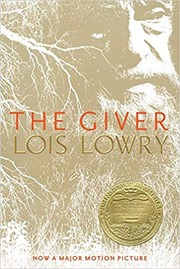
About THE GIVER
Lois Lowry's 'The Giver' introduces a seemingly utopian Community where pain, conflict, and strong emotions have been eradicated through a system called Sameness. Citizens live highly regulated lives, with their roles, spouses, and even children assigned to them. The protagonist, Jonas, is an eleven-year-old boy on the cusp of the Ceremony of Twelve, where he will receive his lifelong assignment. Unlike his peers, Jonas is selected for the highly unusual and solitary role of the Receiver of Memory, a position that holds all the collective memories of humanity's past.
Jonas begins his training with the current Receiver, who instructs him in the true history of their world, revealing the vibrant colors, intense joys, and profound sorrows that the Community has sacrificed for its tranquil existence. As Jonas receives memories of war, love, and individuality, he becomes increasingly disillusioned with his society's sterile perfection and the hidden cruelties it perpetrates, such as 'release.' His growing awareness of the truth, particularly concerning the infant Gabriel, compels him to make a desperate choice: to escape the Community and return the memories to its people, hoping to awaken them to a richer, if more challenging, way of life.
Key takeaways
- Memory is essential for understanding history, making informed decisions, and appreciating the full spectrum of human experience.
- True freedom requires the ability to make choices, even if those choices lead to mistakes or pain.
- A life devoid of suffering and strong emotions also lacks genuine joy, deep love, and meaningful connection.
- Individuality and difference are crucial for a vibrant, evolving society, rather than obstacles to be eliminated.
- Questioning societal norms and the status quo is vital for personal growth and the potential for collective improvement.
- The pursuit of a perfectly controlled, pain-free society often comes at the cost of humanity's most fundamental qualities.
- Love and empathy are powerful forces that can drive individuals to extraordinary acts of sacrifice and courage.
Key ideas at a glance
Memory and history
- Memory is essential for understanding history, making informed decisions, and appreciating the full spectrum of human…
Individuality vs
- Individuality and difference are crucial for a vibrant, evolving society, rather than obstacles to be eliminated.
- Love and empathy are powerful forces that can drive individuals to extraordinary acts of sacrifice and courage.
Freedom and choice
- True freedom requires the ability to make choices, even if those choices lead to mistakes or pain.
Pain and pleasure
- The pursuit of a perfectly controlled, pain-free society often comes at the cost of humanity's most fundamental…
Love and connection
- A life devoid of suffering and strong emotions also lacks genuine joy, deep love, and meaningful connection.
Utopia's cost
- Questioning societal norms and the status quo is vital for personal growth and the potential for collective improvement.
Chapter summaries
Chapter 1: The Ceremony of Twelve and Jonas's Apprehension
Jonas, an eleven-year-old, feels a deep sense of apprehension as the annual Ceremony of Twelve approaches, an event that will determine his lifelong Assignment. He recalls a past incident where a jet flew over the community, causing a brief moment of panic and a public apology from the pilot, highlighting the community's strict adherence to rules and order. At dinner, his family unit—his father, a Nurturer; his mother, a Department of Justice employee; and his younger sister, Lily—shares their feelings. Jonas's father expresses concern for a newchild named Gabriel, who is not thriving and might face "release," a term whose true meaning is still vague to Jonas. The family's ritualistic sharing of feelings underscores the community's emphasis on emotional regulation and conformity.
Chapter 2: The Rules of the Community and the Ceremony
Jonas's parents attempt to alleviate his apprehension about the upcoming Ceremony of Twelve, explaining that the Elders carefully observe each child to determine the most suitable Assignment. His father confesses a minor transgression: he looked at the Naming list for Gabriel, the newchild, to try and help him. This act, while against the rules, was driven by his nurturing instincts, revealing a subtle tension between personal feeling and community regulation. Jonas reflects on the rigid structure of their society, where individual choices are minimal, and life paths are predetermined. The chapter reinforces the community's values of order, predictability, and the collective good over individual freedom, preparing Jonas for his own pivotal moment.
Chapter 3: Gabriel and the Stirrings
Jonas's family temporarily takes in Gabriel, the newchild, for nighttime nurturing, as he is still not sleeping soundly at the Nurturing Center. Gabriel, like Jonas, has unusual pale eyes, a trait that Lily points out, making Jonas feel self-conscious. Most people in the community have dark eyes, and differences are generally not acknowledged. Jonas recalls a memory of Asher confusing "snack" and "smack," leading to a humorous but rule-bound correction. Later, Jonas experiences "the Stirrings," a new, pleasant, but confusing sensation. His mother explains that these are normal for adolescents and reminds him to take a daily "pill" to suppress them, a common ritual to control emotions and desires within the community.
Chapter 4: Volunteer Hours and the House of the Old
Jonas, Asher, and Fiona spend their volunteer hours at the House of the Old. Jonas helps bathe an elderly woman named Larissa, who vividly describes the "release" of another resident, Roberto. Larissa recounts the celebration of Roberto's life, filled with stories and memories, before he walked through a special door. The description makes "release" seem like a dignified and peaceful departure, a joyous occasion. Jonas observes the serene atmosphere of the House of the Old, where residents are cared for until their release. However, the true nature of this "release" remains a mystery to Jonas, hinting at a deeper, unrevealed aspect of their society's practices regarding the elderly and infirm.
Chapter 5: Dream-Telling and the Morning Ritual
During the morning ritual of dream-telling, Jonas shares a vivid dream about Fiona and the Stirrings, where he felt a strong desire to bathe her. His parents, particularly his mother, immediately recognize this as a manifestation of the Stirrings. His mother calmly explains that these feelings are natural but must be controlled, reminding him to take his daily pill to suppress them. This ritualistic suppression of emotions and desires is a cornerstone of the community's control, ensuring conformity and preventing strong individual feelings or attachments. Jonas feels a sense of shame and isolation after sharing his dream, realizing the extent to which his personal experiences are regulated and monitored by the community.
Chapter 6: The Ceremonies Begin
The annual Ceremonies commence, marking the progression of age and responsibility within the community. Jonas observes the Naming of newchildren, the acquisition of bicycles at Nine, and the haircuts at Ten, each stage celebrated with specific rituals and privileges. He reflects on the structured, predictable nature of life in their society, where every individual's path is clearly defined. The community values order and collective identity, with individual milestones serving to reinforce the overall societal structure. Jonas feels a mixture of excitement and growing anxiety as his own Ceremony of Twelve approaches, knowing that this pivotal event will determine his lifelong Assignment and irrevocably shape his future.
Chapter 7: The Ceremony of Twelve and Jonas's Skip
The highly anticipated Ceremony of Twelve takes place. Jonas watches as his friends receive their Assignments: Asher is named Assistant Director of Recreation, and Fiona is assigned Caretaker of the Old. Jonas waits anxiously for his turn, his heart pounding. However, when his number is called, the Chief Elder skips him, moving on to the next child. Jonas is overcome with profound embarrassment, confusion, and a deep sense of shame. The entire community falls silent, sharing in his discomfort and uncertainty. He feels singled out and wonders what transgression he might have committed, or if he has been overlooked entirely, leaving him in a state of bewildered isolation.
Chapter 8: Jonas's Assignment: The Receiver of Memory
After the initial shock, the Chief Elder returns to Jonas, explaining that he has not been assigned but "selected" for the most unique and honored position in the community: the Receiver of Memory. She describes the rare qualities required for this role: intelligence, integrity, courage, wisdom, and the mysterious "Capacity to See Beyond." Jonas is overwhelmed and frightened by the weight of this selection, which sets him apart from everyone else. He is the only one who will hold the community's true history, its joys and pains, a burden no one else can share. This selection immediately isolates him, marking him as profoundly different.
Chapter 9: The Rules for the Receiver
Jonas receives a list of eight highly unusual rules for his Assignment as Receiver of Memory. These rules grant him privileges no one else has, such as being exempt from rules governing rudeness and being allowed to ask any question of anyone. However, they also impose severe restrictions: he is not permitted to discuss his training with anyone, nor can he apply for medication for pain related to his training. The most shocking rule is that he "may lie," a concept utterly alien and forbidden in his community. This rule shatters his fundamental understanding of truth and honesty, which are cornerstones of his society, and deepens his sense of profound isolation.
Chapter 10: Meeting the Giver
Jonas goes to the Annex, a secluded dwelling, to begin his training. There, he meets the current Receiver, an old man who introduces himself as "The Giver." The Giver's dwelling is unlike any other Jonas has seen, filled with countless books, a forbidden sight in the community. The Giver explains his role as the keeper of all memories, the true history of humanity, which the community has relinquished for the sake of Sameness. He begins Jonas's training by transmitting the first memory: snow and a sled ride down a hill, a sensation of cold and exhilaration completely unknown in the climate-controlled, flat landscape of Jonas's world.
Chapter 11: The First Memories: Snow, Sunshine, and Sunburn
Jonas receives several initial memories, experiencing sensations previously unknown to him. He first feels the exhilarating cold and joy of snow and sledding down a hill. Next, he experiences the comforting warmth and pleasure of sunshine. Immediately following this, the Giver transmits the painful memory of sunburn, introducing Jonas to physical discomfort. The Giver explains that the community chose Sameness to eliminate all pain, discomfort, and inconvenience, but in doing so, they also sacrificed true joy, color, and the richness of human experience. Jonas begins to grasp the profound depth of what his community has willingly given up.
Chapter 12: Seeing Beyond and Color
Jonas begins to "see beyond," experiencing fleeting flashes of color, specifically red, in objects like Fiona's hair, an apple, and the books in the Giver's room. The Giver explains that the community, in its pursuit of Sameness, opted to eliminate color vision for most people, reducing their world to shades of gray. Jonas learns that the Giver also possesses the ability to see colors, a shared trait that further binds them. This revelation highlights another significant sacrifice made by the community for control and predictability, and it deepens Jonas's growing sense of difference and isolation from his peers, who live in a monochromatic world.
Chapter 13: Painful Memories and the Burden
Jonas's training intensifies as he receives increasingly painful and challenging memories, including a broken leg, hunger, and loneliness. He begins to understand the immense physical and emotional burden the Giver carries. He attempts to share a memory of color with Asher, but Asher cannot perceive it, reinforcing Jonas's profound isolation. Jonas realizes the impossibility of truly communicating his new understanding to anyone in his community. He also learns about the Giver's past attempts to advise the Elders using his wisdom from memories, which were often ignored, revealing the Elders' fear of change and their commitment to Sameness.
Chapter 14: War and the Release of a Twin
Jonas experiences the horrifying memory of war, feeling intense pain, loss, and the terror of death on a battlefield. This memory deeply traumatizes him, revealing the brutal realities that the community has shielded itself from. Simultaneously, his father casually discusses the impending "release" of one of a set of identical newchild twins, a common practice to maintain population control. Jonas is still unaware of the true, sinister nature of "release," but the Giver's profound sadness and Jonas's own growing understanding of pain hint at something far more disturbing than a peaceful departure.
Chapter 15: The Memory of War
The Giver is in immense physical and emotional pain from a particularly agonizing memory of war. Overwhelmed, he asks Jonas to take some of the burden. Jonas receives the full, brutal memory of a battlefield, witnessing a dying soldier, the cries of the wounded, and the horrific realities of human conflict. This memory is excruciatingly vivid and leaves Jonas deeply shaken, weeping uncontrollably, and profoundly traumatized. Through this experience, Jonas begins to truly comprehend the immense suffering the Giver endures daily and the true cost of the community's carefully constructed "peace" and ignorance.
Chapter 16: Love and Family
Jonas receives a beautiful memory of a family celebrating Christmas, filled with warmth, joy, and the profound emotion of love. Overwhelmed by this new feeling, he asks his parents if they love him. They chastise him for using imprecise language, explaining that "love" is an obsolete word and that they feel "fondness" and "pride." This exchange starkly highlights the emotional void in his community and the absence of deep, personal connections. Disturbed by their lack of understanding, Jonas decides to stop taking his Stirrings pill, wanting to fully experience and retain all his emotions, further distancing himself from the community's controlled existence.
Chapter 17: Games and the True Meaning of War
Jonas observes his friends, including Asher and Fiona, playing a game of "war" in the recreation area. To his horror, the memory of real war flashes through his mind, making the game seem grotesque and insensitive. He tries to explain the true brutality of war to them, but they cannot comprehend his distress, laughing at his seriousness. He feels increasingly alienated and isolated from his peers, realizing the vast chasm between his understanding of the world and theirs. He also learns that Gabriel, who is still not thriving, is scheduled for "release" the following morning, intensifying his growing dread.
Chapter 18: Rosemary's Story
The Giver reveals the tragic story of Rosemary, the previous Receiver-in-training, who was also his daughter. She was intelligent and eager but ultimately unable to bear the immense pain and suffering of the memories. After five weeks of training, she applied for "release." When she was released, the memories she had received were not transferred back to the Giver but were instead released into the community, causing widespread chaos, confusion, and suffering among the people. This explains why the Giver is so cautious with Jonas and why the Elders are so terrified of the memories and the potential for disruption.
Chapter 19: The Truth of Release
Jonas's father is scheduled to "release" the smaller of two newchild twins. Jonas, compelled by a growing suspicion, insists on watching the video recording of the procedure. To his profound horror and disgust, he witnesses his father calmly inject the newchild with a lethal substance, effectively killing it. He realizes with sickening clarity that "release" is not a peaceful departure but euthanasia. He understands that Larissa and Roberto were murdered, and Rosemary committed suicide. Overwhelmed with grief, rage, and betrayal, Jonas's perception of his community shatters completely, revealing its dark, hidden truth.
Chapters 20-23: The Escape Plan and Beyond
Jonas and the Giver devise a desperate plan: Jonas will escape the community, taking all the memories with him. This act will release the memories back into the community, forcing the people to experience and learn from their true history. The Giver will remain behind to help the community cope with the influx of emotions and knowledge. Jonas learns that Gabriel is scheduled for release the next morning. Impulsively, Jonas takes Gabriel and flees the community, enduring harsh weather, hunger, and fear. After a long, arduous journey, he eventually reaches a snowy hill, hears music, and sees lights, suggesting he has found "Elsewhere," though the ending remains ambiguous, leaving the reader to ponder his ultimate fate.
Full summary
Book Overview
"The Giver," written by Lois Lowry and published in 1993, is a dystopian novel that explores themes of conformity, individuality, and the complexities of human emotion. Set in a seemingly utopian society that prioritizes sameness and order, the story follows a young boy named Jonas who begins to question the values of his world. The novel has received critical acclaim and won the Newbery Medal, becoming a staple in young adult literature.
Main Content/Plot
The narrative unfolds in a highly controlled community where the concept of choice has been eliminated to ensure security and predictability. At the age of twelve, children are assigned their roles in society during a Ceremony of Twelve. Jonas, the protagonist, is selected to be the community's new Receiver of Memory, a position that grants him access to the collective memories of humanity, both joyful and painful.
Jonas begins his training under the current Receiver, an elderly man known as The Giver. As he receives memories of love, color, pain, and joy, Jonas becomes increasingly aware of the sacrifices made by his community to maintain their way of life. He discovers the depth of human emotions and the beauty of individuality, which starkly contrasts with the blandness of his society.
As Jonas grapples with these revelations, he faces a moral dilemma when he learns about the community's dark practice of euthanasia, referred to as "release." This knowledge propels him to make a life-altering decision: to escape the confines of his community in search of a world that embraces feelings, experiences, and true freedom.
Key Themes
1. The Importance of Memory: The novel emphasizes that memories—both good and bad—are essential to the human experience. They shape identity and inform choices, ultimately allowing for personal growth.
2. Individuality vs. Conformity: Lowry critiques the dangers of a conformist society that sacrifices individuality for the sake of stability and predictability. Jonas’s journey highlights the value of personal freedom and self-discovery.
3. Emotions and Human Experience: The absence of emotions in Jonas's society serves as a commentary on the richness of human life, suggesting that joy and pain are integral to existence.
4. Ethics of Control: The book raises ethical questions about the extent to which society should control individual lives for the sake of the greater good, particularly through the practice of "release."
Important Takeaways
- Awareness of Reality: The
Memorable quotes
“We don't dare to let people make choices of their own.”
“The worst part of holding the memories is not the pain. It's the loneliness of it. Memories need to be shared.”
“If everything's the same, then there aren't any choices! I want to wake up in the morning and decide things!”
“He had been startled by the certainty of the knowledge. He had been so completely, so thoroughly, not-Jonas.”
“They were satisfied with their lives, and they hadn't changed. But he had.”
Characters
- JonasThe protagonist, chosen as the new Receiver of Memory.
- The GiverThe current Receiver of Memory, Jonas's mentor and guide.
- GabrielAn infant who Jonas saves, capable of receiving memories.
- LilyJonas's younger sister.
- MotherJonas's mother, a respected official in the Department of Justice.
- FatherJonas's father, a Nurturer responsible for newchildren.
- AsherJonas's best friend, assigned Assistant Director of Recreation.
- FionaJonas's friend, assigned Caretaker of the Old.
Themes
- Memory and history
- Individuality vs. conformity
- Freedom and choice
- Pain and pleasure
- Love and connection
- Utopia's cost
About LOIS LOWRY
Lois Lowry, born in 1937, is an acclaimed American author of children's literature. She is best known for her Newbery Medal-winning novels, 'The Giver' (1994) and 'Number the Stars' (1990). Lowry often explores complex themes such as memory, identity, war, and the human condition in her works, making them accessible to young readers. She wrote 'The Giver' to explore the importance of memory and the dangers of a society that sacrifices emotion and individuality for the sake of control and perceived peace.
FAQ
What is THE GIVER about?
The Giver is about a twelve-year-old boy named Jonas who lives in a seemingly perfect, emotionless society. He is chosen to be the Receiver of Memory, learning the true history of joy, pain, and color from the community's past. This knowledge leads him to question his world and ultimately seek a way to bring true feeling back to his people.
Is THE GIVER worth reading?
Yes, The Giver is widely considered a powerful and thought-provoking read. It explores complex themes like individuality, freedom, and the importance of memory in an accessible way, making it a staple in dystopian and young adult literature. Its unique world and moral dilemmas resonate with readers of all ages.
How does THE GIVER end?
Spoiler: Jonas escapes the Community with the infant Gabriel, carrying the memories. Exhausted and freezing, they reach a snowy hill. Jonas finds a sled and hears music, a sound unknown in his Community, as they descend towards a place he believes is 'Elsewhere,' implying a new beginning or a return to a world with emotion and sound.
Who should read THE GIVER?
The Giver is ideal for young adult readers (ages 10-14) and anyone interested in dystopian fiction, philosophical questions about society, or the importance of human emotion and memory. It's a great choice for book clubs and classroom discussions due to its rich thematic content.
How long does it take to read THE GIVER?
On average, it takes about 3 to 3.5 hours to read The Giver. This estimate is based on an average reading speed of 250 words per minute and the book's approximate word count of 47,000 words.