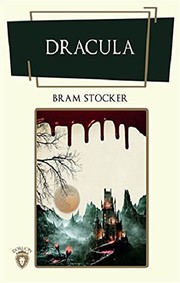
dracula
In 60 seconds
In 1480, Prince Vlad of Wallachia loses his beloved wife Elisabeta to an ambush while he fights for God, and his grief turns him into the immortal Dracula. For four hundred years he searches for her reincarnation, even brewing a perfume to lure women to him. In 1889 Paris, he finds her in Mina, fiancée of the solicitor Jonathan Harker, and awakens her past-life memories with an old music box. Mina chooses eternity with him, but Harker escapes and brings an occultist priest to lay siege to Dracula's castle. Confronted with Mina's damnation, Dracula accepts the stake and crumbles in her arms.
Before you start
Why it matters
This is the Dracula story rebuilt around one question: what if immortality is not a gift but a sentence? Stoker's 1897 novel gives you a monster hunted down by dutiful men; this version gives you a grieving husband whose eternal life is the punishment. Read it if you want gothic horror where the horror is loss, and where the love story is the engine of every terrible choice.
Spoilers ahead
The story
- 1
Act 1
The Bargain That Broke a Prince
Eastern Europe, 1480. Prince Vlad of Wallachia has one thing in his life that matters: Elisabeta, his wife, his whole heart. Then the Ottoman Army comes threatening his kingdom, and duty tears him from her side. Before he rides out, he stops at his priest with a single request, a bargain struck in desperation: he will fight in God's name, if God does one thing for him in return. Spare his wife. Because Vlad cannot go on without her. While he is away, Elisabeta goes riding outside the castle walls and is ambushed. Vlad rushes to her aid and arrives too late. She dies. Something in him dies with her, and what is left stands up and speaks. Overcome with grief, Vlad renounces God outright, declaring, 'until he brings me back my wife, my life no longer belongs to him.' That renunciation is the turning point of everything: the act transforms him into Dracula. The man who fought for God now belongs to no one, and the price of defiance is an eternity spent alone. What begins as a holy war becomes a private one, fought against heaven itself, with a dead woman's face as the only prize worth winning.
- 2
Act 2
Four Centuries of Searching
The centuries pass, and Dracula fills them with a single purpose: finding Elisabeta again. He comes to believe her soul returns, reincarnated in other women, so he hunts across four hundred years for her face in stranger's faces. He is not passive about it. He creates vampiric agents to do his searching for him, a network of the undead combing the world for one living woman. He also develops a perfume designed to lure women to him, a hunter's tool as much as a seducer's, drawing them close enough to check whether any of them carries her soul. None of it works, or not until 1889, when the search finally pays off in the least romantic setting imaginable: a real estate transaction. Dracula is negotiating property with Jonathan Harker, a Paris-based solicitor, when he learns about Harker's fiancée. Her name is Mina. And Dracula knows, in the way only a man who has waited centuries can know, that she is the one he has been looking for. The reincarnation of his wife is engaged to another man. His response is immediate and brutal: he imprisons Harker in his castle, guarded by gargoyle henchmen, and clears the field. Then he reinvigorates himself with the blood of nuns and heads for Paris, arriving in time for the centenary of the French Revolution, a city lit up for celebration while he comes for something older than any republic.
- 3
Act 3
Paris, and a Music Box
Paris, 1889. Dracula does not hunt alone: a vampiric follower named Maria helps him track Mina down. But luring her is not the same as winning her, because the woman he wants is buried inside the woman she has become. So he does something stranger than stalking. He galavants with Mina across Paris, and he plays the tune from an old music box he had once given her, back when she was Elisabeta. The melody does what four centuries of searching could not: it reawakens her memories. Piece by piece, she remembers a life she never lived, a love that predates her own birth, and she falls for him not as a stranger but as someone returning. Then Mina makes the choice that seals everything. She asks Dracula to change her into a vampire, so the two of them can spend eternity together, and they travel back to his castle to do it. Meanwhile, the man she is engaged to has not been idle. Jonathan Harker escapes the castle and seeks out an occultist priest, who takes up the investigation with his associates to locate and kill Dracula. The lovers ride toward forever; the hunters ride toward the castle. Both parties believe they are saving someone.
- 4
Act 4
The Stake and the Choice
The priest and his associates lay siege to Dracula's castle, and the confrontation that follows is not fought with knives but with an argument. The priest urges Dracula to repent of his ways, and he names the stake in the clearest possible terms: if Dracula does not, he will condemn Mina to eternal damnation. That is the one threat that works. Dracula has spent four centuries making sure Mina would live forever with him; the priest makes him see that his immortality, shared with her, is not salvation but a sentence. So Dracula does the thing no monster does. He allows himself to be staked. He declares his eternal love for Mina, and he disintegrates in her arms, choosing her soul's safety over his own endless existence. The man who once told God that his life no longer belonged to him gives that life up freely, in the arms of the woman he crossed centuries to find. The bargain he made in 1480, spare her, is finally honored, just not the way he asked. Love, in the end, costs him exactly what he was never willing to pay while she lived: everything, forever, without her.
Who's who
Characters
- Vlad / DraculaA Wallachian prince who loves his wife more than God, and pays for it with immortality. He spends four centuries hunting her reincarnation, then gives up eternity to save her soul.
- Elisabeta / MinaVlad's wife, ambushed and killed in 1480, reborn in 1889 as Mina, Harker's fiancée. A music box tune wakes her past-life memories, and she asks to become a vampire to stay with him forever.
- Jonathan HarkerA Paris-based solicitor negotiating a real estate deal with Dracula, until the Count learns Mina is the woman he seeks and imprisons him. He escapes and brings the priest down on the castle.
- The occultist priestThe man Harker turns to after escaping, who investigates Dracula and lays siege to his castle. His weapon is an ultimatum: repent, or condemn Mina to eternal damnation.
- MariaA vampiric follower who helps Dracula track Mina down in Paris, part of the network of agents he built during his centuries-long search.
What it's really about
Themes
Love as defiance of God
Vlad's fall begins as a negotiation: he will fight in God's name if God spares Elisabeta, because he cannot go on without her. When she dies anyway, he renounces God outright, saying his life no longer belongs to him, and that renunciation makes him Dracula. The story treats his vampirism not as a curse inflicted but as a choice made, grief weaponized against heaven. Every act that follows, the centuries of hunting, the perfume, the imprisonment of Harker, flows from that first refusal to accept a world without her. The book's point is that love this absolute stops being virtue and becomes rebellion, with a monster as the receipt.
Immortality as punishment
The usual vampire fantasy treats eternal life as the prize. Here it is the sentence. Dracula gets exactly what a grieving man might wish for, endless time to keep looking, and four hundred years of it are spent chasing a dead woman's soul through strangers' faces. He builds agents, brews perfume, crosses continents, and none of it fills the hole. When the priest finally corners him, the threat that lands is not death but damnation shared: staying immortal with Mina would condemn her. The book's point is that forever is only desirable if you have someone to share it with, and that losing that person turns eternity into the worst imaginable deal.
Memory as the thread of identity
Mina does not fall for Dracula as a stranger; she falls for him as Elisabeta returning. The mechanism is an old music box he once gave her, and the tune he plays from it reawakens her buried memories as they galavant across Paris. Her love is presented as recovery, not seduction: she is remembering rather than discovering. That raises the story's sharpest question, whether the woman in 1889 is Mina or Elisabeta, and whether loving her past self honors her or erases her. The book's point is that memory, not the body, is what makes a person continuous, and Dracula bets everything on that being true.
The cost of possession
Dracula's love is never passive. When he learns Mina is the one, he imprisons her fiancé Harker in his castle with gargoyle henchmen and clears the field. He builds a perfume to lure women, keeps vampiric agents like Maria to do his tracking, and treats the world as a thing to be arranged around his desire. Yet the ending inverts all of it: confronted with the priest's warning that he will condemn Mina to eternal damnation, he lets himself be staked and disintegrates in her arms. The book's point is that the final proof of love is release, and the man who took everything for centuries gives up the only thing he has left.
Look closer
Symbols
- The music box
- The tune from the old music box Dracula once gave Elisabeta is the key that unlocks Mina's past-life memories in Paris. It stands for love that survives death and change: a small mechanical object carrying a melody across four centuries. Its song does what force never could, calling the woman he lost back to the surface.
- The perfume
- Dracula's perfume, designed to lure women to him during his centuries of searching, stands for the corruption of longing into technique. Grief becomes chemistry, hunting becomes seduction by formula. It mirrors how far a man will degrade love when he tries to manufacture what he can only be given freely.
- The stake
- The stake the priest drives, which Dracula allows, is the instrument of both punishment and release. In most vampire stories it ends the monster; here it ends the suffering. Dracula choosing it turns an execution into a gift, the final act of a love that protects by letting go.
- The castle siege
- The priest and his associates laying siege to Dracula's castle is the past closing in on the refuge. The castle is where Vlad was made and where he tried to remake Mina; the siege forces the confrontation he has dodged for four hundred years. What was a fortress becomes a trap he is finally ready to leave.
Spoilers
Ending explained
The ending works because it resolves the story's first bargain, four centuries late and in the opposite spirit. In 1480 Vlad demanded God spare Elisabeta as the price of his service; in 1889 he pays the price himself, accepting the stake so Mina will not be damned. The priest's ultimatum reframes the whole romance: eternity together, the thing Mina asked for, would actually be her condemnation. So Dracula's disintegration in her arms is not defeat but the only loving move left, the moment possession becomes sacrifice. There are two ways to read it. One is redemption: the man who renounced God ends by obeying the deepest command of his faith, laying down his life for the woman he loves. The other is bleaker: Mina's choice to become a vampire is overridden by men who know better, and Dracula dies believing he saved her when she may have wanted the eternity he offered. Either way, the ending lands because it costs the hero the one thing his entire existence was organized around, and he pays it willingly.
For class or book club
Discussion questions
- 1.Is Dracula's transformation an act of love or of pride? Weigh his bargain with the priest in 1480 and his renunciation of God against the four centuries of searching that follow.
- 2.Mina asks to become a vampire so she can spend eternity with Dracula, yet the ending takes that choice away from her. Does the story honor her agency or sacrifice it to the priest's warning?
- 3.The film's Dracula is a grieving husband rather than a predator. Does reframing the monster as a romantic hero deepen the myth or excuse monstrous acts, like imprisoning Harker and feeding on nuns?
Worth remembering
Best lines
“until he brings me back my wife, my life no longer belongs to him.”
“This man belongs to me!”
“You, their best beloved one... flesh of my flesh... bride of the vampire”
“My revenge is just begun! I spread it over centuries, and time is on my side.”
A fair critique
Where it falls short
The love story rests on a device that does a lot of silent work: one tune from a music box reawakens Mina's past-life memories, which lets the romance skip the hard part of earning trust. Dracula's crimes, imprisoning Harker, feeding on nuns, building a perfume to lure women, are framed as devotion, and the story never fully reckons with how predatory that devotion is. Mina's own desire, once she remembers, is given less weight than the men debating her soul. And the priest's siege resolves the central conflict through one ultimatum, which compresses a four-century struggle into a single moral fork.
In one sentence
A prince who lost his wife to God's silence spends four centuries finding her again, then gives up eternity to save her soul.
Is it for you?
Who should read it
Anyone who wants the Dracula myth rebuilt as a love story, where the monster's immortality is the wound rather than the reward. Ideal for readers who like gothic atmosphere, doomed romance, and endings where the hero wins by losing everything.
4 questions
Quick quiz: how well do you know dracula?
0 of 4 answered
FAQ
What is dracula about?
Dracula is about an ancient vampire, Count Dracula, who travels from Transylvania to England to spread his curse. A group of brave individuals, led by the eccentric Professor Van Helsing, discovers his true nature and embarks on a desperate mission to hunt him down and destroy him before he can corrupt more souls and establish a new reign of terror.
Is dracula worth reading?
Yes, Dracula is absolutely worth reading. It's a foundational text of horror literature, offering a masterclass in suspense, atmosphere, and character development. Beyond its thrilling plot, it explores enduring themes like good versus evil, the clash of old-world superstition with modern science, and the nature of fear itself. It's a classic for a reason.
How does dracula end?
Spoiler: Dracula ends with the 'Crew of Light' pursuing Count Dracula back to his castle in Transylvania. In a final confrontation, Jonathan Harker and Quincey Morris manage to destroy Dracula just as the sun sets, stabbing him through the heart and decapitating him. Quincey Morris is fatally wounded in the process, but his sacrifice ensures Dracula's demise and the salvation of Mina Harker, who is freed from the vampire's curse.
Who should read dracula?
Dracula is ideal for readers who enjoy classic horror, Gothic literature, and suspenseful narratives. Fans of vampire lore will appreciate its definitive portrayal of the creature. It's also suitable for those interested in the Victorian era, psychological thrillers, and stories that delve into the battle between good and evil and the limits of human knowledge.
How long does it take to read dracula?
On average, it takes about 8 to 12 hours to read Dracula. This can vary depending on individual reading speed and whether the reader takes time to appreciate the detailed descriptions and epistolary format. It's a substantial novel, but its gripping plot often encourages faster reading.
Who wrote dracula?
dracula was written by bram stoker and first published in 1897.
What genre is dracula?
dracula is listed under Classics.
More Classics summariesWhere is dracula set?
dracula is set in Transilvania (Rumania), Transylvania (Romania) and Whitby (England).
How many pages is dracula?
dracula is about 384 pages long (the median page count across its editions, per Open Library).