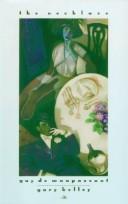
About the necklace
Guy de Maupassant's "The Necklace" is a poignant short story that delves into the destructive power of vanity, social ambition, and the harsh realities of life. It follows Mathilde Loisel, a beautiful but discontented woman born into a modest family, who yearns for a life of luxury and social prominence. Her constant dissatisfaction with her middle-class existence leads her to resent her circumstances and dream of an opulent world she believes she deserves.
The central conflict arises when Mathilde's husband secures an invitation to a prestigious ball. Determined to make a grand impression, Mathilde insists on a new dress and, more significantly, borrows a dazzling diamond necklace from her wealthy friend, Madame Forestier. The ball is a triumph for Mathilde, who revels in the admiration she receives. However, her fleeting moment of glory turns into a decade of despair when she discovers the necklace is lost. Unable to admit the truth, the Loisels procure a replacement, plunging themselves into crushing debt and a life of extreme poverty to repay it. The story culminates in a devastating ironic twist that underscores the futility of their sacrifice and the deceptive nature of appearances.
"The Necklace" serves as a powerful cautionary tale, exploring themes of social class, the illusion of wealth, and the dire consequences of pride and dishonesty. Maupassant masterfully critiques the superficial values of society and the human tendency to prioritize outward show over genuine contentment, making it a timeless piece of naturalist literature.
Key takeaways
- Be content with your current circumstances rather than constantly striving for an unattainable ideal.
- Honesty, even in difficult situations, can prevent far greater suffering and long-term consequences.
- Material possessions and outward appearances do not guarantee happiness or true social standing.
- Consider the long-term repercussions of your actions and choices, as they can profoundly shape your future.
- True value is often hidden, and appearances can be deceiving, leading to tragic misunderstandings.
- Avoid the trap of excessive vanity and the desire to impress others at all costs.
Key ideas at a glance
Vanity and pride
- Avoid the trap of excessive vanity and the desire to impress others at all costs.
Social class
- Material possessions and outward appearances do not guarantee happiness or true social standing.
Appearance vs
- True value is often hidden, and appearances can be deceiving, leading to tragic misunderstandings.
Consequences of actions
- Honesty, even in difficult situations, can prevent far greater suffering and long-term consequences.
- Consider the long-term repercussions of your actions and choices, as they can profoundly shape your future.
Irony of fate
- Be content with your current circumstances rather than constantly striving for an unattainable ideal.
Chapter summaries
Mathilde's Discontent
The story introduces Mathilde Loisel, a woman of great beauty born into a modest family, who feels she is destined for a life of luxury. She constantly laments her humble existence, her plain home, and her simple clothes, dreaming of elegant dinners, rich fabrics, and social admiration. Her husband, a minor clerk, tries to please her but cannot fulfill her extravagant desires, leaving her in a perpetual state of unhappiness and resentment.
The Invitation and the Dress
Monsieur Loisel brings home an invitation to an exclusive ball hosted by the Minister of Public Instruction, hoping to delight Mathilde. Instead, she is distraught, claiming she has nothing suitable to wear. Her husband sacrifices his savings for a hunting rifle to buy her a new dress. Still, Mathilde is unhappy, insisting she needs jewels to complete her ensemble, leading her to borrow a diamond necklace from her wealthy friend, Madame Forestier.
The Ball and the Loss
Adorned in her new dress and the borrowed necklace, Mathilde is a sensation at the ball, captivating everyone with her beauty and charm. She dances with intoxicating joy, feeling truly alive and admired for the first time. However, upon returning home in the early morning, she discovers to her horror that the diamond necklace is no longer around her neck. Panic ensues as she realizes the devastating implications of its loss.
The Search and the Replacement
Monsieur Loisel frantically retraces their steps, searching for the lost necklace, but to no avail. Faced with the impossible task of admitting the loss to Madame Forestier, they decide to replace it. They find an identical necklace in a jeweler's shop, priced at an exorbitant forty thousand francs. With twenty thousand francs inherited from his father, Monsieur Loisel borrows the rest, plunging them into immense debt to purchase the replacement.
A Decade of Toil
The Loisels embark on a grueling decade of poverty and hard labor to repay their debt. They dismiss their maid, move to a smaller apartment, and Mathilde performs all the household chores, her hands coarsened, her beauty faded. Monsieur Loisel works extra jobs, and they endure severe privation, sacrificing every comfort. Mathilde often thinks of the ball, wondering what her life would have been like had she not lost the necklace.
The Ironic Revelation
After ten long years, the debt is finally paid. One day, Mathilde encounters Madame Forestier, who barely recognizes her. Mathilde, now aged and hardened, decides to confess the truth about the lost necklace and their decade of sacrifice. Madame Forestier, shocked, reveals that the original necklace was merely an imitation, made of paste, and worth at most five hundred francs, rendering the Loisels' immense suffering tragically futile.
Full summary
"The Necklace," a short story by Guy de Maupassant, explores themes of wealth, vanity, and the human condition. Set in 19th-century Paris, it follows Mathilde Loisel, a middle-class woman who dreams of a life filled with luxury and opulence. Her discontent leads her to borrow a beautiful diamond necklace for a high-society ball. After an enchanting evening, she discovers the necklace is lost, spiraling her and her husband into a decade of hardship as they work to repay the debt.
Key characters include Mathilde, whose vanity drives her decisions, and her husband, Monsieur Loisel, who selflessly supports her aspirations. The necklace symbolizes both desire and the perilous nature of appearances, as the couple's sacrifice ultimately reveals the necklace was a mere imitation.
Maupassant critiques social class and materialism, illustrating how aspirations can lead to one's downfall. The story's twist ending highlights irony and serves as a poignant reminder of the consequences of pri...
Memorable quotes
“She suffered ceaselessly, feeling herself born for all the delicacies and all the luxuries.”
“She had no rich dresses, no jewels, nothing. And she loved nothing but that; she felt that she was made for them.”
“How strange and changeful is this life! How little is needed to ruin or to save us!”
“Oh, my poor Mathilde! But mine was imitation. It was worth at the very most five hundred francs!...”
Characters
- Mathilde LoiselThe protagonist, a beautiful but discontented woman who yearns for a life of luxury.
- Monsieur LoiselMathilde's husband, a modest clerk who is devoted to her and tries to fulfill her desires.
- Madame ForestierMathilde's wealthy friend, from whom Mathilde borrows the necklace.
Themes
- Vanity and pride
- Social class
- Appearance vs. reality
- Consequences of actions
- Irony of fate
- Materialism's cost
About guy de maupassant
Guy de Maupassant (1850-1893) was a prominent French writer, considered one of the fathers of the modern short story and a master of the naturalist school. He is renowned for his concise, powerful narratives, often characterized by pessimistic or ironic endings and keen observations of human nature and society. Besides "The Necklace," his most famous works include "Boule de Suif" and the novel "Bel-Ami." Maupassant's stories frequently explored themes of class, war, and the psychological struggles of ordinary people, reflecting the social anxieties of 19th-century France.
FAQ
What is the necklace about?
"The Necklace" is about Mathilde Loisel, a woman who borrows a diamond necklace for a ball, loses it, and spends ten years in crushing poverty with her husband to replace it. The story explores themes of vanity, social ambition, and the devastating consequences of prioritizing appearances over honesty and contentment.
Is the necklace worth reading?
Yes, "The Necklace" is absolutely worth reading. It's a classic example of naturalism, offering a concise yet powerful critique of societal values and human folly. Its sharp irony and exploration of universal themes like class, materialism, and the consequences of choices make it a thought-provoking and memorable short story.
How does the necklace end?
Spoiler: The story ends with Mathilde Loisel encountering Madame Forestier ten years after replacing the lost necklace. Mathilde confesses the truth about losing the original and their decade of sacrifice. Madame Forestier, shocked, reveals that the original necklace was merely an imitation, worth very little, rendering Mathilde's immense suffering tragically pointless.
Who should read the necklace?
"The Necklace" is ideal for readers interested in classic short stories, naturalism, or cautionary tales. It's often studied in literature classes and appeals to anyone who enjoys stories with strong moral lessons, ironic twists, and critiques of social ambition and materialism.
How long does it take to read the necklace?
"The Necklace" is a very short story, typically taking most readers about 15 to 25 minutes to read. Its brevity makes it an excellent choice for a quick, impactful literary experience.