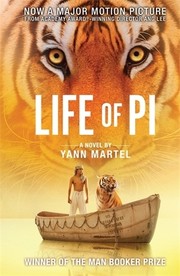
About Life of Pi
Life of Pi tells the extraordinary story of Piscine Molitor Patel, known as Pi, a young Indian boy who survives a shipwreck and is left adrift in the Pacific Ocean on a lifeboat with a Bengal tiger named Richard Parker. The narrative explores themes of survival, faith, storytelling, and the nature of reality. Pi, the son of a zookeeper in Pondicherry, India, develops a deep understanding of animal psychology and various religions (Hinduism, Christianity, and Islam) before his family decides to emigrate to Canada, transporting their zoo animals with them. The tragic sinking of their cargo ship leaves Pi as the sole human survivor, forcing him into an improbable and perilous journey for 227 days.
Pi's ordeal is a testament to human resilience and ingenuity. He must not only contend with the harsh elements of the open sea but also establish a fragile coexistence with a dangerous predator. Through a combination of resourcefulness, spiritual reflection, and a desperate will to live, Pi manages to train Richard Parker and find ways to sustain himself. The novel culminates in Pi's rescue and a subsequent interview with Japanese transport ministry officials, who are skeptical of his fantastical tale. Pi then offers them an alternative, more brutal story involving human survivors, forcing the officials, and by extension the reader, to choose which story they prefer. This narrative twist challenges the reader's perception of truth and the power of storytelling to shape our understanding of life's most profound experiences. The book ultimately suggests that the "better story" – the one that includes wonder and faith – is the one worth believing.
Key takeaways
- The human spirit possesses an extraordinary capacity for resilience and adaptation in the face of unimaginable adversity.
- Faith, in its various forms, can provide comfort, meaning, and a framework for survival even in the most desperate circumstances.
- Storytelling is a fundamental human act that can shape our understanding of truth, reality, and our own experiences.
- Coexistence, even with perceived enemies, is possible through understanding, respect, and the establishment of clear boundaries.
- The natural world, while beautiful, is also indifferent and unforgiving, demanding constant vigilance and resourcefulness for survival.
- The choice of what to believe often reveals more about the believer than about the truth itself.
- Life's most profound lessons can emerge from the most unlikely and terrifying situations.
Key ideas at a glance
Survival and Resilience
- The human spirit possesses an extraordinary capacity for resilience and adaptation in the face of unimaginable…
- Faith, in its various forms, can provide comfort, meaning, and a framework for survival even in the most desperate…
Faith and Spirituality
- Coexistence, even with perceived enemies, is possible through understanding, respect, and the establishment of clear…
Storytelling and Truth
- Storytelling is a fundamental human act that can shape our understanding of truth, reality, and our own experiences.
- The choice of what to believe often reveals more about the believer than about the truth itself.
Human-Animal Relationship
- Life's most profound lessons can emerge from the most unlikely and terrifying situations.
The Nature of Reality
- The natural world, while beautiful, is also indifferent and unforgiving, demanding constant vigilance and…
Chapter summaries
Part One: Toronto and Pondicherry
Pi recounts his childhood in Pondicherry, India, where his father owned a zoo. He describes his early life, his fascination with animals, and his simultaneous embrace of Hinduism, Christianity, and Islam, much to the bewilderment of his parents and the religious leaders. This part establishes Pi's unique worldview and his deep understanding of animal behavior, which becomes crucial later. It also details his family's decision to emigrate to Canada, setting the stage for their fateful sea voyage.
Part Two: The Pacific Ocean
This is the core of the novel, detailing Pi's 227-day ordeal after the Tsimtsum sinks. He finds himself on a lifeboat with a zebra, an orangutan, a hyena, and eventually, a Bengal tiger named Richard Parker. Pi describes the brutal struggle for survival, the loss of the other animals, and his ingenious methods for coexisting with and training Richard Parker, battling hunger, thirst, and despair, all while maintaining his spiritual practices and will to live.
Part Three: Mexico
Pi is rescued off the coast of Mexico, severely emaciated. He is interviewed by two Japanese officials investigating the shipwreck. Skeptical of his incredible story involving a tiger, they press him for a more "believable" account. Pi then offers a second, more gruesome story where the animals are replaced by human survivors, including his mother. He then asks the officials which story they prefer, implying that the "better" story is the one that includes wonder and faith.
Full summary
"Life of Pi," written by Yann Martel, explores the extraordinary journey of Piscine Molitor Patel, or Pi, a young Indian boy. After a shipwreck, Pi survives on a lifeboat in the Pacific Ocean with a Bengal tiger named Richard Parker, setting the stage for a profound tale of survival and faith. The narrative examines themes of resilience, spirituality, and the nature of storytelling itself, showcasing Pi's struggle to coexist with the tiger while confronting existential dilemmas.
Key characters include Pi, whose diverse beliefs shape his worldview, and Richard Parker, representing both danger and companionship. The relationship between boy and tiger becomes a metaphor for fear, trust, and the will to survive. The book intertwines reality with imagination, prompting readers to question the nature of truth and belief.
Martel's narrative invites critical reflection on faith's role in adversity and the power of storytelling to shape our understanding of life. Ultimately, "Life of Pi" u...
Memorable quotes
“I must say a word about fear. It is life's only true opponent. Only fear can defeat life.”
“To choose doubt as a philosophy of life is akin to choosing immobility as a means of transportation.”
“The world isn't just the way it is. It's how we understand it, no? And in understanding something, we bring something to it, no? Doesn't that make life a story?”
“I suppose in the end, the whole of life becomes an act of letting go, but what always hurts the most is not taking a moment to say goodbye.”
“If you surrender to God, you can't lose.”
Characters
- Piscine Molitor Patel (Pi)The protagonist, a young Indian boy who survives a shipwreck and spends 227 days adrift in the Pacific Ocean.
- Richard ParkerA Bengal tiger who shares the lifeboat with Pi.
- The AuthorA fictionalized version of Yann Martel, who interviews the adult Pi to write his story.
- Santosh PatelPi's father, a zookeeper who teaches Pi about animal psychology and the harsh realities of nature.
- Gita PatelPi's mother, a loving and supportive figure.
- Ravi PatelPi's older brother, who teases Pi about his religious interests.
- Mr. Satish Kumar (Biology Teacher)An atheist and communist who inspires Pi's love for science.
- Mr. Satish Kumar (Baker)A devout Muslim who introduces Pi to Islam.
- Father MartinA Catholic priest who introduces Pi to Christianity.
- Tomohiro OkamotoA Japanese official investigating the shipwreck, skeptical of Pi's story.
- Atsuro ChibaOkamoto's assistant, also skeptical but more open-minded.
Themes
- Survival and Resilience
- Faith and Spirituality
- Storytelling and Truth
- Human-Animal Relationship
- Loss and Grief
- The Nature of Reality
About Yann Martel
Yann Martel is a Canadian author best known for his 2002 Man Booker Prize-winning novel, "Life of Pi." Born in Salamanca, Spain, in 1963, he has also written other works such as "Self," "We Are All Completely Beside Ourselves," and "The High Mountains of Portugal." Martel reportedly conceived the idea for "Life of Pi" during a trip to India, seeking a story that would make him "believe in God." The novel explores themes of faith, survival, and the nature of storytelling, reflecting his interest in how people create meaning in their lives.
FAQ
What is Life of Pi about?
"Life of Pi" is about a young Indian boy named Pi who survives a shipwreck and is left adrift in the Pacific Ocean on a lifeboat with a Bengal tiger named Richard Parker. It's a tale of survival, faith, and the power of storytelling, exploring how Pi endures his incredible ordeal and the two versions of his story he tells after his rescue.
Is Life of Pi worth reading?
Yes, "Life of Pi" is widely considered a captivating and thought-provoking novel. It offers a unique blend of adventure, philosophical inquiry, and spiritual reflection, challenging readers to consider the nature of truth and belief. Its vivid imagery and compelling narrative make it a memorable experience.
How does Life of Pi end?
Spoiler: Pi is rescued and tells his incredible story of survival with Richard Parker to Japanese officials. When they express disbelief, he offers an alternative, more brutal story involving human survivors. He then asks them which story they prefer, implying that the "better" story, the one with wonder and faith, is the one to believe. The officials choose the animal story for their report.
Who should read Life of Pi?
Readers who enjoy adventure stories, philosophical fiction, and tales of survival will appreciate "Life of Pi." It's also suitable for those interested in themes of faith, the human-animal bond, and the power of narrative. It's a book that sparks discussion and reflection.
How long does it take to read Life of Pi?
"Life of Pi" is approximately 320 pages long. At an average reading speed of 250 words per minute, it would take roughly 6-8 hours to read the entire book.