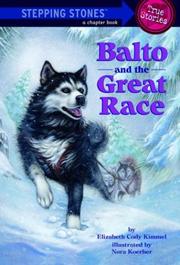
About kahraman köpek balto
Balto and the Great Race" by Elizabeth Cody Kimmel recounts the gripping true story of the heroic sled dog Balto and the pivotal role he played in the 1925 serum run to Nome, Alaska. The remote town of Nome faced a deadly diphtheria epidemic, and with harsh winter conditions making air and sea travel impossible, the only hope lay in a relay of dog sled teams transporting life-saving antitoxin across 674 miles of treacherous Alaskan wilderness. The book vividly portrays the desperate situation in Nome, the urgency of the mission, and the incredible challenges faced by the mushers and their dogs.
The narrative focuses on Balto, a lead dog initially considered an underdog, who, along with musher Gunnar Kaasen, led the final leg of the perilous journey. Battling blizzards, sub-zero temperatures, and blinding snow, Balto's team navigated through whiteout conditions, demonstrating extraordinary courage, endurance, and an unwavering sense of direction. The book highlights not only Balto's individual heroism but also the collective effort of all the mushers and their dogs, emphasizing themes of teamwork, perseverance, and the indomitable spirit of both humans and animals in the face of overwhelming adversity. It's a tale that celebrates the triumph of will and the profound bond between humans and their canine companions.
Key takeaways
- True courage often emerges in the most unexpected individuals and circumstances.
- Teamwork and collaboration are essential for overcoming seemingly impossible challenges.
- Perseverance in the face of extreme adversity can lead to heroic achievements.
- The bond between humans and animals can be a powerful force for survival and success.
- Even small contributions, when combined with others, can make a monumental difference.
- Nature's power can be formidable, but determination can help overcome its harshest tests.
Key ideas at a glance
Courage
- True courage often emerges in the most unexpected individuals and circumstances.
Teamwork
- Teamwork and collaboration are essential for overcoming seemingly impossible challenges.
Perseverance
- Perseverance in the face of extreme adversity can lead to heroic achievements.
Heroism
- Even small contributions, when combined with others, can make a monumental difference.
Human-Animal Bond
- The bond between humans and animals can be a powerful force for survival and success.
Chapter summaries
Prologue: The Race Against Death
The book opens by setting the scene in Nome, Alaska, in January 1925, introducing the dire situation facing the isolated town. A deadly diphtheria epidemic is spreading rapidly, particularly among children, and the town's only doctor, Curtis Welch, is running out of antitoxin. The nearest supply is in Anchorage, over a thousand miles away, and conventional transportation methods like planes are grounded by severe winter weather. The prologue establishes the urgency and the seemingly impossible challenge of getting the life-saving serum to Nome before it's too late, hinting at the extraordinary effort that will be required.
Nome, Alaska, 1925
This chapter provides a detailed look at Nome in the early 20th century, describing it as a remote, bustling gold-mining town that had seen its boom but remained a vital hub in Alaska. It explains the town's isolation, accessible primarily by sea during the summer months and by dog sled trails in winter. The chapter introduces the harsh realities of life in the Arctic, the reliance on dog teams for transportation and communication, and the close-knit community that faced unique challenges due to its extreme environment and distance from larger cities. It paints a vivid picture of the setting where the dramatic events are about to unfold.
A Deadly Disease
The narrative focuses on the diphtheria outbreak itself, detailing how the highly contagious bacterial infection began to spread through Nome. Dr. Curtis Welch's growing alarm is highlighted as he diagnoses more and more cases, particularly among the native Alaskan children, and realizes the severity of the epidemic. The chapter explains the symptoms and dangers of diphtheria, emphasizing its high mortality rate, especially without the antitoxin. It underscores the desperate medical crisis and the immediate threat to the lives of Nome's residents, intensifying the need for a rapid solution.
The Serum Solution
With the diphtheria epidemic worsening, Dr. Welch and Nome's mayor, George Maynard, realize their only hope is to obtain more antitoxin. This chapter details the frantic efforts to find a way to transport the serum from Anchorage. After considering and rejecting options like planes due to the extreme weather, the idea of a relay using dog sled teams is proposed. The plan involves transporting the serum by train to Nenana, then having multiple mushers and their dog teams carry it the remaining 674 miles across the treacherous Alaskan wilderness to Nome. The chapter outlines the logistics and the immense challenge of this undertaking.
The First Leg
This chapter describes the initial stages of the serum run. The antitoxin is carefully packaged and loaded onto a train in Anchorage, traveling to Nenana. From Nenana, the first musher, 'Wild Bill' Shannon, takes possession of the precious cargo. The narrative follows Shannon and his team as they begin the arduous journey, facing the immediate challenges of the Alaskan winter: freezing temperatures, heavy snow, and difficult trails. It sets the precedent for the courage and endurance that will be required from all the mushers and their dogs in the relay.
The Blizzard
As the serum relay progresses, the weather conditions dramatically worsen, becoming the most formidable antagonist. This chapter details the onset of a massive blizzard, bringing whiteout conditions, plummeting temperatures, and gale-force winds. The extreme cold poses a severe threat to both mushers and dogs, risking frostbite, hypothermia, and disorientation. The blizzard makes navigation nearly impossible, turning the already dangerous trail into a life-threatening ordeal and testing the limits of human and animal endurance. It highlights the incredible bravery required to continue the mission despite nature's fury.
Togo's Run
This chapter focuses on Leonhard Seppala and his lead dog, Togo, who undertook arguably the most dangerous and longest leg of the serum run. Seppala, an experienced musher, and Togo, a legendary lead dog, faced the full force of the blizzard, navigating across the treacherous Norton Sound. The chapter details their incredible journey, including crossing breaking ice and enduring extreme cold and wind. It emphasizes Togo's intelligence, leadership, and unwavering determination, which were crucial in guiding the team through the perilous conditions and saving valuable time, making their leg a heroic feat of endurance and skill.
Balto's Run
This chapter shifts focus to Gunnar Kaasen and his lead dog, Balto, who ran the final, critical leg of the relay. Taking over the serum from Charlie Olson, Kaasen and Balto faced continued blizzard conditions and darkness. The narrative describes Balto's remarkable ability to navigate the blinding snow and find the trail, even when Kaasen himself was disoriented. It highlights Balto's instinct and determination, which allowed the team to push through the final miles to Nome, arriving in the early morning hours of February 2, 1925, bringing the life-saving antitoxin to the desperate town. This leg cemented Balto's place in history.
The Finish Line
The chapter describes the dramatic arrival of Gunnar Kaasen and Balto in Nome. Despite the blizzard and exhaustion, they successfully delivered the serum, bringing immense relief and hope to the town. The news quickly spread, and the entire community celebrated the successful completion of the nearly 700-mile relay. The chapter captures the immediate aftermath of the delivery, the sense of triumph over adversity, and the beginning of the end for the diphtheria epidemic. It marks the culmination of the extraordinary efforts of all the mushers and their dogs.
A Hero's Welcome
Following the successful delivery of the serum, Balto and Gunnar Kaasen became instant heroes. This chapter details the widespread public recognition and adoration they received. Balto, in particular, became a national sensation, celebrated in newspapers and newsreels across the country. The chapter describes their subsequent tour, including a trip to New York City where Balto was honored with a statue in Central Park. It explores how the story of the serum run captured the imagination of the public, symbolizing courage, perseverance, and the bond between humans and animals.
After the Race
This chapter delves into the lives of Balto and the other dogs and mushers after the serum run. It discusses the varying fates of the canine heroes, including Balto's eventual retirement to the Cleveland Zoo, where he lived out his days as a beloved attraction. It also touches upon the recognition, or lack thereof, for other key figures like Leonhard Seppala and his lead dog, Togo, whose significant contributions were often overshadowed by Balto's fame. The chapter provides a broader perspective on the legacy of the Great Race of Mercy and its impact on the participants.
Epilogue: The Real Balto
The epilogue offers a reflective look at the historical accuracy and lasting legacy of the 1925 serum run. It often addresses the debate about which dog, Balto or Togo, was the true hero, acknowledging Togo's longer and more perilous journey while recognizing Balto's crucial role in the final leg and his symbolic representation of the entire effort. The chapter emphasizes the collective heroism of all the mushers and their dogs, highlighting the event as a testament to human and animal endurance, courage, and the power of community in the face of a crisis. It reinforces the enduring inspiration of the story.
Full summary
"Kahraman Köpek Balto" by Elizhabed Cody Kimmel is a captivating children's book that celebrates courage and loyalty through the story of Balto, a heroic sled dog. Set in the winter of 1925, the narrative follows Balto and his team as they embark on a perilous journey to deliver medicine to save a diphtheria-stricken town in Nome, Alaska.
The plot vividly illustrates the challenges faced by Balto, such as harsh weather, treacherous terrain, and the bond between the dogs and their human mushers. Themes of bravery, teamwork, and perseverance resonate throughout as Balto overcomes obstacles, showcasing his determination to protect the community.
Key characters include Balto, the fearless lead dog; his musher, Gunnar Kaasen; and the supportive sled team. Their relationships highlight loyalty and the importance of collaboration in overcoming adversity.
The story explores deeper themes of sacrifice and resilience, portraying how even the smallest acts of courage can lead to monumental ...
Characters
- BaltoThe lead sled dog who completed the final, critical leg of the serum run to Nome.
- Gunnar KaasenBalto's musher, who guided the team through the final treacherous leg to Nome.
- TogoAnother heroic lead sled dog who led the longest and most dangerous leg of the serum run.
- Leonhard SeppalaTogo's musher, a legendary figure in dog sledding, who covered a significant portion of the relay.
- Dr. Curtis WelchThe doctor in Nome who diagnosed the diphtheria outbreak and initiated the call for serum.
Themes
- Courage
- Teamwork
- Perseverance
- Heroism
- Human-Animal Bond
About elizhabed cody kimmel
Elizabeth Cody Kimmel is an American author known for her diverse range of books for young readers, spanning picture books, middle-grade fiction, and non-fiction. Her works often blend historical events with engaging narratives, making complex subjects accessible and exciting for children. "Balto and the Great Race" exemplifies her talent for bringing history to life, offering a well-researched and compelling account of a true heroic tale. She is also known for books like "The Writers of the Purple Page" series and "Spin the Bottle."
FAQ
What is kahraman köpek balto about?
"Kahraman Köpek Balto" (Balto and the Great Race) tells the true story of Balto, the lead sled dog, and the 1925 serum run to Nome, Alaska. It details how a relay of dog teams transported life-saving diphtheria antitoxin across hundreds of miles of frozen wilderness to save the children of Nome from an epidemic.
Is kahraman köpek balto worth reading?
Yes, it is highly recommended for young readers and anyone interested in historical events, animal heroism, and stories of courage. The book offers an engaging and inspiring account of a real-life adventure, highlighting themes of perseverance, teamwork, and the incredible bond between humans and dogs.
How does kahraman köpek balto end?
Spoiler: The book ends with Balto and Gunnar Kaasen successfully delivering the diphtheria antitoxin to Nome, saving the town's children. Balto and the other heroic dogs and mushers receive widespread recognition for their incredible feat, becoming symbols of courage and determination.
Who should read kahraman köpek balto?
This book is ideal for children aged 8-12, as well as anyone who enjoys historical non-fiction, animal stories, or tales of extraordinary bravery and resilience. It's a great read for families or in educational settings.
How long does it take to read kahraman köpek balto?
Given its target audience and typical length for a children's historical book, it would likely take an average reader approximately 60 to 90 minutes to complete "Kahraman Köpek Balto."