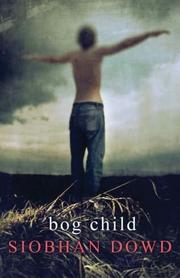
About bog child
Bog Child" by Siobhan Dowd is a poignant historical novel set in Northern Ireland in 1981, amidst the escalating political tensions of the Troubles and the hunger strikes at the Maze Prison. The story centers on Fergus McCann, a sixteen-year-old Catholic boy whose life is irrevocably altered when he unearths the perfectly preserved body of a young girl in a peat bog near his home. This ancient discovery, which Fergus names "Mel," becomes a powerful counterpoint to the modern-day sacrifices unfolding around him, particularly the hunger strike involving his older brother, Joe, and cousin, Owen.
As Fergus grapples with the archaeological mystery of Mel's life and ritualistic death, he simultaneously navigates the complex loyalties and dangers of his own time. His family is deeply entrenched in the republican cause, and Joe's decision to join the hunger strike places an immense emotional burden on Fergus, his parents, and his Protestant girlfriend, Cora. The narrative skillfully weaves together the past and present, exploring how ancient beliefs in sacrifice and belonging echo in the contemporary political landscape, forcing Fergus to confront difficult questions about identity, justice, and the true cost of conviction.
The novel is a powerful exploration of the human impact of conflict, both historical and contemporary. It delves into themes of family loyalty, the search for truth, and the enduring weight of history on individual lives. Through Fergus's journey, Dowd offers a nuanced perspective on the Troubles, highlighting the personal dilemmas faced by those caught in its grip and drawing timeless parallels between the sacrifices made in different eras for different causes. It stands as a testament to the power of understanding the past to illuminate the present.
Key takeaways
- The past often holds keys to understanding present conflicts and the motivations behind human actions.
- Personal discoveries can profoundly impact one's perspective on broader political and societal struggles.
- Family loyalty can be deeply tested by deeply held political convictions and the pursuit of justice.
- History, whether ancient or recent, profoundly shapes individual and community identity and choices.
- Even in times of intense conflict, personal connections and empathy can offer solace and understanding.
- Understanding different perspectives is crucial for navigating complex social and political issues.
- Sacrifice, in its various forms, is a recurring theme throughout human history, often driven by belief or community.
Key ideas at a glance
The Troubles
- Even in times of intense conflict, personal connections and empathy can offer solace and understanding.
Sacrifice and Loyalty
- Family loyalty can be deeply tested by deeply held political convictions and the pursuit of justice.
- Sacrifice, in its various forms, is a recurring theme throughout human history, often driven by belief or community.
History and Identity
- History, whether ancient or recent, profoundly shapes individual and community identity and choices.
Coming of Age
- Understanding different perspectives is crucial for navigating complex social and political issues.
Political Conflict
- The past often holds keys to understanding present conflicts and the motivations behind human actions.
- Personal discoveries can profoundly impact one's perspective on broader political and societal struggles.
Chapter summaries
Chapters 1-3: The Bog Child's Discovery
Fergus McCann, a sixteen-year-old living in rural Northern Ireland in 1981, is helping his Uncle Tally cut peat in the bog when they make a shocking discovery: the perfectly preserved body of a young girl. The body, with its long red hair and ancient appearance, is initially thought to be a recent murder victim, but soon the police and archaeologists confirm it is a bog body, thousands of years old. Fergus feels an immediate, inexplicable connection to the girl, whom he mentally names "Mel." This discovery sets the stage for the intertwining narratives of past and present, life and death, that define the novel, as Fergus grapples with the mystery of Mel and the escalating political tensions around him.
Chapters 4-6: Mel's Mystery and Family Shadows
The discovery of Mel's body brings archaeologists and police to the bog, disrupting Fergus's quiet life. He learns about the scientific process of preserving bog bodies and the theories surrounding their ritualistic sacrifice. Simultaneously, the political tensions of 1981 Northern Ireland begin to intrude more forcefully on Fergus's world. His older brother, Joe, is in Long Kesh prison, having joined the IRA hunger strike, a decision that casts a heavy shadow over the McCann family. Fergus's father, a republican sympathizer, is also involved in clandestine activities, creating an atmosphere of secrecy and fear that permeates their home and community.
Chapters 7-9: Dreams, School, and the Cause
As Mel's body is taken for further study, Fergus continues to feel her presence, experiencing vivid dreams and visions that offer glimpses into her ancient life. He struggles to balance his ordinary teenage concerns – schoolwork, his burgeoning relationship with Marina, and looking after his younger sister, Cora – with the extraordinary circumstances of Mel's discovery and his family's deep involvement in the Troubles. The pressure from the "Cause" intensifies, with Fergus being asked to deliver messages for his father, drawing him further into the dangerous world of republican activities and forcing him to confront his own loyalties and fears.
Chapters 10-12: Unveiling Gráinne's Past
Through his dreams and research, Fergus begins to piece together the story of the bog child, learning her real name was Gráinne. He envisions her life in an Iron Age community, her role as a chosen sacrifice, and the rituals surrounding her death. These insights into Gráinne's past deepen Fergus's understanding of ancient beliefs and the concept of sacrifice, drawing parallels to the present. Meanwhile, the hunger strike in Long Kesh continues, and news of the prisoners' deteriorating health reaches the McCann household, increasing the family's anxiety and highlighting the modern-day sacrifices being made for political beliefs and freedom.
Chapters 13-15: The Weight of Expectations
Fergus finds himself increasingly caught between conflicting loyalties. His father expects him to support the republican cause, even if it means participating in dangerous activities like delivering coded messages. His mother, however, is consumed by worry for Joe and tries to shield Fergus from further involvement. Fergus confides in Marina about his anxieties, but even she struggles to fully comprehend the depth of his family's predicament and the historical weight of their situation. The parallels between Gráinne's ancient sacrifice and Joe's modern-day hunger strike become more pronounced in Fergus's mind, forcing him to confront difficult questions about choice, duty, and the meaning of life and death.
Chapters 16-18: Joe's Deterioration and Community Response
News from Long Kesh becomes increasingly grim as Joe's health rapidly declines. The community mobilizes in support of the hunger strikers, holding vigils and protests, but the political deadlock remains unbroken. Fergus witnesses the profound impact of the strike on his family, particularly his mother, who is consumed by grief and helplessness, constantly visiting Joe. He continues to deliver messages, feeling the weight of responsibility and the constant threat of discovery. His dreams of Gráinne intensify, revealing more details about her final days and the complex reasons behind her ritualistic death, further intertwining the two narratives of sacrifice.
Chapters 19-21: The Inevitable Loss
The McCann family receives the devastating news that Joe has died on hunger strike. The house is plunged into a profound state of mourning, a mixture of grief, anger, and a sense of grim pride for the "Cause." The community rallies around them, but the personal cost of the political struggle is immense. Fergus grapples with the finality of his brother's death and the complex emotions it evokes, including guilt and sorrow. He reflects on the futility and heroism of Joe's sacrifice, drawing further parallels with Gráinne's ancient fate, trying to find meaning in both their deaths and the enduring human need for purpose.
Chapters 22-24: Aftermath and Reflection
In the wake of Joe's death, the family struggles to cope with their loss. The funeral is a large, politically charged event, attended by many supporters, but offering little comfort to the grieving family. Fergus observes the different ways people react to tragedy and political struggle, from his father's stoicism to his mother's raw grief. He continues to have visions of Gráinne, finding solace and understanding in her story, which helps him process his own grief. He begins to question the cycle of violence and sacrifice, contemplating his own future and whether he will follow in his father's footsteps or forge a different path.
Chapters 25-27: Decisions and Departures
As the summer draws to a close, Fergus makes a pivotal decision about his future. He decides to accept a scholarship to study archaeology at university in Scotland, choosing a path of knowledge and understanding over continued involvement in the Troubles. This decision marks a significant break from the expectations of his father and the republican cause, and a step towards forging his own identity. He prepares to leave home, reflecting on the events of the past months and the profound impact they have had on him, knowing that his life has been irrevocably changed by both Mel and Joe.
Chapters 28-30: A Final Farewell
Before leaving for university, Fergus makes a final visit to the bog where Mel/Gráinne was found. He performs a personal ritual, leaving a small offering to honor her memory and acknowledge the connection they shared across millennia. This act is a symbolic closure for him, allowing him to reconcile the ancient past with his present and future. He says goodbye to his family and Marina, carrying with him the lessons learned from both Gráinne's sacrifice and Joe's, determined to live a life that honors their memory in his own way, seeking understanding rather than perpetuating conflict.
Full summary
Book Overview
"Bog Child," written by Siobhan Dowd, is a poignant young adult novel set against the backdrop of the Troubles in Northern Ireland during the 1980s. The story intertwines historical elements with a coming-of-age narrative, focusing on the intersection of personal and political conflicts. The protagonist, Fergus, discovers a bog body while digging for turf, which leads him on a journey of self-discovery and reevaluation of his beliefs and family ties.
Main Content/Plot
Chapter 18:
In Chapter 18, Fergus grapples with the implications of his discovery of the bog body. He becomes increasingly troubled by the history and violence surrounding the body, reflecting on the lives lost to the conflict in Northern Ireland. The chapter delves into Fergus's internal struggles as he contemplates his future, the expectations placed upon him by his family, and the societal pressures stemming from the political unrest.
Chapter 19:
As Fergus continues to process the discovery, he attends a family gathering where tensions arise. The familial dynamics are strained, particularly with his older brother, who is deeply entrenched in the political conflict. This chapter highlights the generational divide in understanding and dealing with the Troubles, emphasizing the burden of legacy that Fergus feels. Through dialogue and observation, the narrative illustrates how personal relationships are affected by external conflicts.
Chapter 20:
Chapter 20 shifts focus to Fergus's interactions with the bog body in his dreams. He begins to form a connection with the girl, whom he learns is named "Mairead." These dreams become a sanctuary for Fergus, allowing him to explore themes of loss, identity, and the search for meaning beyond his current reality. The narrative powerfully contrasts the horrors of the past with Fergus's hopes for the future, providing a deep emotional resonance.
Chapter 21:
In this chapter, Fergus faces a moral dilemma as he contemplates his role in the ongoing conflict. He is torn between loyalty to his family and the desire for peace. The story reveals the complexity of his emotions, as he begins to question the motivations behind the actions of those around him. This chapter serves as a pivotal moment in Fergus's character development, highlighting his growth from innocence to a more nuanced understanding of the world.
Chapter 22:
Fergus’s relationship with his friends is tested in Chapter 22 as they react to the political tensions in their community. The chapter explores themes of friendship, loyalty, and the
Memorable quotes
“The bog kept its secrets well, until now.”
“There's a hunger in the land, Fergus, not just in the prison.”
“Mel. That's what I called her. A name for a girl who had no name.”
“You can't dig up the past without getting your hands dirty.”
“Sometimes, the hardest thing is to do nothing, when everything in you wants to act.”
Characters
- Fergus McCannThe protagonist, a Catholic teenager who discovers the bog body and navigates the Troubles.
- Joe McCannFergus's older brother, imprisoned for his republican activities and involved in the hunger strike.
- OwenFergus's cousin, also imprisoned and participating in the hunger strike.
- CoraFergus's girlfriend, a Protestant, whose relationship is strained by the political divide.
- MelThe ancient bog girl whose perfectly preserved body Fergus discovers, central to the historical mystery.
- Mrs. O'BrienThe archaeologist who studies Mel's body, providing scientific context and guidance to Fergus.
- Da McCannFergus's father, a quiet man burdened by the family's political involvement and Joe's imprisonment.
- Ma McCannFergus's mother, deeply worried and emotionally affected by Joe's participation in the hunger strike.
Themes
- The Troubles
- Sacrifice and Loyalty
- History and Identity
- Coming of Age
- Political Conflict
- Archaeology and Discovery
About siobhan dowd
Siobhan Dowd was an acclaimed Irish writer, known for her powerful and sensitive young adult novels. Her works often explored difficult subjects with profound insight, including "A Swift Pure Cry," "The London Eye Mystery," and "Solace of the Stone." Dowd tragically passed away before "Bog Child" was published, but left detailed notes for its completion. The book posthumously won the Carnegie Medal in 2009, cementing her legacy as a significant voice in children's and young adult literature.
FAQ
What is bog child about?
"Bog Child" is a historical novel set in Northern Ireland in 1981. It follows teenager Fergus McCann, who discovers an ancient bog body while his brother participates in the IRA hunger strikes. The story intertwines Fergus's present-day struggles with the mystery of the bog girl's past, exploring themes of sacrifice, identity, and the impact of history.
Is bog child worth reading?
Yes, "Bog Child" is highly acclaimed and won the Carnegie Medal. It offers a powerful and sensitive portrayal of a complex period in history, seen through the eyes of a young protagonist. Readers praise its compelling narrative, historical insight, and the way it connects ancient and modern forms of sacrifice.
How does bog child end?
Spoiler: The hunger strike concludes with tragic losses, profoundly impacting Fergus and his family. Fergus gains a deeper understanding of Mel's ancient sacrifice, which helps him process the events of his own time. He ultimately finds a way to move forward, reconciling with the past and the choices made by those around him, though the political conflict itself remains unresolved.
Who should read bog child?
This book is ideal for young adult readers (ages 12+) interested in historical fiction, particularly those curious about Irish history, the Troubles, or stories that explore complex ethical dilemmas and family loyalties. It's also suitable for readers who enjoy archaeological mysteries and coming-of-age narratives.
How long does it take to read bog child?
On average, it takes approximately 5 to 6 hours to read "Bog Child" at a typical reading speed of 250 words per minute. This estimate can vary based on individual reading pace and engagement with the text.