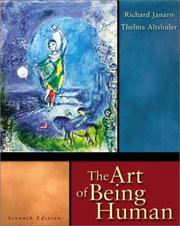
About the art of being human
Richard Janaro's "The Art of Being Human" serves as an accessible introduction to the humanities, exploring how various forms of human expression and thought contribute to a deeper understanding of life. The book argues that engaging with art, literature, music, philosophy, and religion is not merely an academic exercise but a fundamental technique for living a more enriched and meaningful existence. It encourages readers to develop critical thinking skills, appreciate diverse cultural perspectives, and recognize the interconnectedness of human experience across different eras and societies.
Through its comprehensive survey, the book aims to demystify complex concepts within the humanities, making them relevant to contemporary life. It posits that by studying the creative and intellectual achievements of humanity, individuals can gain insights into their own values, beliefs, and place in the world. The text emphasizes that the humanities provide essential tools for self-reflection, empathy, and informed decision-making, ultimately fostering a more complete and 'human' way of being.
Key takeaways
- Actively engage with various forms of art and culture to deepen your understanding of human experience.
- Recognize that the humanities offer a 'technique for living' by providing frameworks for meaning and self-reflection.
- Cultivate critical thinking skills to analyze and interpret the complex messages embedded in artistic and philosophical works.
- Appreciate the diversity of human expression across different cultures and historical periods.
- Understand that philosophy, religion, and art are not separate disciplines but interconnected paths to exploring fundamental human questions.
- Seek out beauty and meaning in everyday life, drawing inspiration from the rich tapestry of human creativity.
- Use the insights gained from the humanities to inform your personal values and contribute to a more thoughtful society.
Key ideas at a glance
Human Condition
- Actively engage with various forms of art and culture to deepen your understanding of human experience.
- Recognize that the humanities offer a 'technique for living' by providing frameworks for meaning and self-reflection.
Cultural Appreciation
- Appreciate the diversity of human expression across different cultures and historical periods.
Meaning Making
- Seek out beauty and meaning in everyday life, drawing inspiration from the rich tapestry of human creativity.
Critical Thinking
- Cultivate critical thinking skills to analyze and interpret the complex messages embedded in artistic and philosophical…
Art as Life
- Understand that philosophy, religion, and art are not separate disciplines but interconnected paths to exploring…
Chapter summaries
Part 1: The Humanities: An Introduction
This foundational part introduces students to the scope and significance of the humanities. It defines key concepts such as culture, values, and the human experience, emphasizing how these disciplines explore what it means to be human. Janaro discusses the importance of critical thinking, aesthetic appreciation, and understanding diverse perspectives. It sets the stage for the subsequent exploration of various art forms, philosophical ideas, and religious traditions, encouraging readers to engage actively with the material and develop a deeper understanding of themselves and the world. The section outlines the book's approach to examining human creativity and thought across different eras and cultures.
Part 2: Myth, Religion, and Philosophy
This section delves into humanity's enduring quest for meaning through myth, religion, and philosophy. It examines the role of foundational myths in shaping cultural narratives and understanding the unknown, often referencing creation stories and hero archetypes. The book then surveys major world religions, exploring their core beliefs, rituals, and ethical systems, such as those found in Christianity, Islam, Buddhism, and Hinduism. Finally, it introduces fundamental philosophical questions concerning existence, knowledge, ethics, and beauty, presenting key ideas from influential thinkers like Plato, Aristotle, Kant, and Eastern philosophers, demonstrating how these intellectual traditions attempt to answer life's ultimate questions.
Part 3: The Arts: An Introduction
This part provides a general framework for understanding and appreciating the arts. It introduces fundamental principles common across various artistic disciplines, such as form, content, style, and medium. Janaro explores the nature of aesthetic experience, discussing how individuals perceive and interpret beauty and meaning in art. The section also examines the crucial roles of both the artist as creator and the audience as interpreter, highlighting the dynamic interaction between them. It prepares readers to analyze and engage with specific art forms by establishing a common vocabulary and conceptual tools for critical appreciation.
Part 4: Literature
Focusing on the written word, this section explores the diverse world of literature. It covers major literary genres, including poetry, drama, and various forms of fiction like novels and short stories. The book dissects essential literary elements such as plot, character development, overarching themes, narrative setting, symbolism, and the use of metaphor and imagery. Janaro introduces significant literary movements and representative authors and works from different historical periods and cultures, from classical epics to modern novels. This part emphasizes the power of storytelling to convey human experiences, emotions, and ideas, shaping our understanding of ourselves and society.
Part 5: Music
This section guides readers through the intricate world of music. It breaks down the fundamental elements of music, including rhythm, melody, harmony, timbre, and musical form. The book provides an overview of the historical development of Western music, tracing its evolution through key periods such as Medieval, Renaissance, Baroque, Classical, Romantic, and Modern eras, highlighting characteristic styles and composers. It also explores various musical genres and forms, from symphonies and operas to jazz and folk music, discussing their cultural contexts and emotional impact. Janaro encourages active listening and appreciation of music's profound ability to express and evoke human emotion.
Part 6: Visual Arts
This part delves into the visual arts, encompassing painting, sculpture, architecture, and photography. It introduces the basic elements of visual art, such as line, shape, color, texture, and space, along with principles of design like balance, contrast, emphasis, and unity. The book traces major art movements and styles throughout history, including the Renaissance, Baroque, Impressionism, and Cubism, analyzing representative artworks and their cultural significance. Janaro provides tools for critical analysis, enabling readers to understand how visual artists use these elements and principles to communicate ideas, evoke emotions, and reflect their societies.
Part 7: Performing Arts: Theatre, Dance, Film
This comprehensive section explores the dynamic and immersive world of the performing arts. It first examines theatre, discussing elements of drama, historical theatrical conventions, and significant playwrights from ancient Greek tragedy to modern works. Next, it delves into dance, exploring various forms, elements of movement, and its cultural and historical evolution, from classical ballet to contemporary and folk dances. Finally, the section covers film, tracing the history of cinema, analyzing cinematic techniques like cinematography, editing, and sound design, and discussing influential directors and genres. Janaro highlights the collaborative nature and unique experiential qualities of these live and recorded art forms.
Part 8: The Human Condition and Values
This concluding part synthesizes the insights gained from the preceding sections, reflecting on the overarching themes of the human condition and the search for values. It encourages readers to integrate their understanding of art, philosophy, religion, and culture to address fundamental questions of ethics, morality, justice, and freedom. Janaro explores how the humanities contribute to personal growth and societal well-being, emphasizing their role in shaping individual and collective values. The section prompts readers to consider what constitutes a meaningful life and how human creativity and thought continue to define and redefine human nature and destiny.
Full summary
Book Overview
"The Art of Being Human" by Richard Janaro is a thought-provoking exploration of what it means to be human in a complex and often challenging world. The book delves into the intricacies of human experience, examining the interplay between culture, identity, and personal development. Janaro combines philosophical insights with practical guidance, making the text accessible to a wide audience while encouraging deeper reflection on the essence of humanity.
Main Content/Plot
The book is structured around several core concepts that define the human experience. Janaro begins by discussing the nature of self-awareness and consciousness, emphasizing how these elements shape our understanding of the world and our place within it. He explores the significance of relationships and communication in fostering a sense of community, as well as the role of creativity in expressing human experiences.
Throughout the chapters, Janaro introduces various real-life examples, historical references, and philosophical perspectives that illustrate his points. He addresses the challenges of navigating modern life, including technology's impact on human interaction and the existential questions that arise in a rapidly changing society. The narrative encourages readers to reflect on their values and beliefs while promoting a holistic view of what it means to live authentically.
Key Themes
1. Self-Awareness and Identity: The book emphasizes the importance of understanding oneself as a foundation for meaningful existence. Janaro discusses how self-reflection and personal growth contribute to a well-rounded identity.
2. Connection and Community: Janaro highlights the significance of relationships, illustrating how connections with others enrich the human experience and foster empathy and understanding.
3. Creativity and Expression: The author underscores the role of creativity as a fundamental aspect of being human, advocating for the importance of artistic expression in articulating personal and collective experiences.
4. Navigating Modern Challenges: Janaro addresses contemporary issues such as technology and globalization, examining how they shape human interactions and influence personal identity.
Important Takeaways
- Embrace Self-Discovery: Readers are encouraged to engage in ongoing self-reflection to cultivate a deeper understanding of their values, beliefs, and motivations.
- Value Relationships: The book reinforces the idea that meaningful connections with others are vital for a fulfilling life, urging readers to invest time and effort in their relationships.
- Foster Creativity: Janaro advocates for the importance of creative expression, suggesting that engaging in artistic endeavors can enhance emotional well-being and provide a sense of purpose.
- Adapt to Change:
Themes
- Human Condition
- Cultural Appreciation
- Meaning Making
- Critical Thinking
- Art as Life
About richard janaro
Richard Janaro is an esteemed educator and author, best known for his work in the humanities. He co-authored "The Art of Being Human" with Thelma Altshuler, a widely adopted textbook that has seen numerous editions. Janaro's work focuses on making complex philosophical and artistic concepts accessible to a broad audience, emphasizing the practical relevance of the humanities for personal growth and understanding the human experience. His contributions have significantly impacted how introductory humanities courses are taught and perceived.
FAQ
What is the art of being human about?
"The Art of Being Human" is an introductory textbook to the humanities, exploring how disciplines like art, literature, music, philosophy, and religion offer profound insights into the human condition. It argues that engaging with these subjects is essential for developing critical thinking, cultural appreciation, and a more meaningful personal existence.
Is the art of being human worth reading?
Yes, it is widely considered a valuable resource for anyone seeking an accessible and comprehensive introduction to the humanities. It's particularly useful for students or individuals who want to understand how various forms of human expression contribute to a richer, more reflective life, making complex ideas approachable.
How does the art of being human end?
Spoiler: The book concludes by synthesizing its core arguments, emphasizing humanity's continuous search for meaning and purpose. It reinforces the idea that the humanities provide diverse pathways for individuals to understand themselves, connect with the world, and contribute to the ongoing human narrative, advocating for a lifelong engagement with arts and ideas.
Who should read the art of being human?
This book is ideal for college students taking introductory humanities courses, as well as general readers interested in gaining a foundational understanding of art, literature, philosophy, and religion. It's for anyone curious about how human creativity and thought shape our understanding of ourselves and society.
How long does it take to read the art of being human?
Given its comprehensive nature as a textbook, reading "The Art of Being Human" typically takes around 10 to 14 hours. This estimate can vary based on reading speed and whether the reader engages with all supplementary materials or exercises, as it's often used in an academic setting.