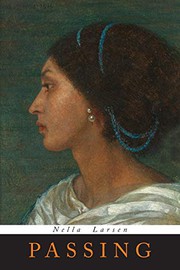
About Passing
Nella Larsen's "Passing" explores the intricate lives of two light-skinned Black women, Irene Redfield and Clare Kendry, who are childhood friends reunited by chance. Irene, who occasionally 'passes' for white for convenience, lives a comfortable middle-class life in Harlem with her Black doctor husband and two sons. Clare, however, has chosen to permanently pass as white, marrying a wealthy, openly racist white man, John Bellew, who is completely unaware of her racial heritage. The novel delves into the psychological complexities and societal pressures associated with racial identity and the act of 'passing.'
The narrative is primarily told from Irene's perspective, revealing her fascination with, and simultaneous repulsion by, Clare's dangerous existence. Clare, despite her material wealth, feels a deep longing for connection to her Black heritage and the vibrant community she left behind, drawing her back into Irene's life. This re-entry disrupts Irene's carefully constructed world, stirring up feelings of envy, desire, and fear, particularly regarding Clare's allure to Irene's husband, Brian. The novel masterfully navigates themes of identity, belonging, sexuality, and the restrictive nature of societal expectations, culminating in a dramatic and ambiguous ending that leaves the reader questioning the true nature of Clare's fate and Irene's complicity.
"Passing" is a seminal work of the Harlem Renaissance, critically examining the social and psychological costs of racial performance and the fluidity of identity in early 20th-century America. Larsen's nuanced portrayal of her characters' internal conflicts and the external pressures they face highlights the profound impact of race and class on individual lives, making it a timeless exploration of self-discovery and the elusive concept of freedom.
Key takeaways
- Racial identity is a complex social construct that can be performed and concealed, often with profound psychological costs.
- The desire for belonging and connection can lead individuals to seek out what they have abandoned, even at great personal risk.
- Envy and fascination can intertwine, creating destructive dynamics in relationships, particularly when societal pressures are involved.
- Societal expectations regarding race, class, and gender can severely limit personal freedom and authentic self-expression.
- The act of 'passing' offers perceived advantages but often comes with the burden of constant fear and a fractured sense of self.
- True freedom may lie not in escaping one's identity, but in embracing and navigating its complexities.
- Ambiguity in human relationships and motivations can lead to tragic and unresolved outcomes.
- The pursuit of security and stability can sometimes stifle personal growth and lead to quiet desperation.
Key ideas at a glance
Racial identity
- Racial identity is a complex social construct that can be performed and concealed, often with profound psychological…
- True freedom may lie not in escaping one's identity, but in embracing and navigating its complexities.
Social passing
- The act of 'passing' offers perceived advantages but often comes with the burden of constant fear and a fractured sense…
Desire and envy
- The desire for belonging and connection can lead individuals to seek out what they have abandoned, even at great…
- Envy and fascination can intertwine, creating destructive dynamics in relationships, particularly when societal…
Freedom vs
- Societal expectations regarding race, class, and gender can severely limit personal freedom and authentic…
- The pursuit of security and stability can sometimes stifle personal growth and lead to quiet desperation.
Sexual ambiguity
- Ambiguity in human relationships and motivations can lead to tragic and unresolved outcomes.
Chapter summaries
Encounter
Irene Redfield, a light-skinned Black woman, is vacationing in Chicago when she encounters Clare Kendry, a childhood friend she hasn't seen in twelve years. Clare, also light-skinned, has been permanently 'passing' as white and is married to a wealthy, racist white man, John Bellew, who is unaware of her racial heritage. Irene is both fascinated and disturbed by Clare's dangerous life. They discuss their pasts and present circumstances, with Clare expressing a longing for her Black community, while Irene feels a mix of admiration and apprehension about Clare's choices and the risks she takes.
Re-encounter
Clare, feeling isolated in her white world, begins to re-enter Irene's life in Harlem, much to Irene's initial delight and later, growing unease. Clare's vivacious presence disrupts Irene's carefully ordered middle-class existence. Irene becomes increasingly paranoid about Clare's influence, particularly her perceived flirtation with Irene's husband, Brian, who has long expressed a desire to leave America due to racial injustice. The two women's complex relationship deepens, marked by a blend of affection, jealousy, and unspoken desires, as Clare becomes a regular, yet unsettling, fixture in Irene's home and social circle.
Finale
The tension between Irene and Clare escalates as John Bellew, Clare's husband, discovers her racial identity. Clare's life unravels, and she is forced to confront the consequences of her deception. During a party at the Freelands' apartment, Bellew confronts Clare publicly, creating a chaotic scene. In the ensuing commotion, Clare falls from a third-story window to her death. The circumstances of her fall are ambiguous: it could be an accident, suicide, or even murder, with Irene's hand potentially involved, though the narrative leaves it open to interpretation. Irene is left grappling with the aftermath and the profound impact Clare had on her life.
Full summary
Nella Larsen's "Passing" explores the complexities of racial identity in 1920s America, focusing on the lives of two mixed-race women, Clare Kendry and Irene Redfield. The narrative delves into themes of racial ambiguity, societal norms, and the psychological toll of "passing" for white. Irene, who embraces her Black identity, becomes increasingly entangled in Clare's life as Clare, seeking to escape her past, reinserts herself into the Black community while secretly enjoying white privilege. Their relationship intensifies, revealing underlying tensions and jealousy, leading to a climactic confrontation that forces both women to confront their choices and identities.
Key characters include Clare, whose allure and risk-taking challenge societal boundaries; Irene, representing stability and internal conflict; and Brian, Irene's husband, who becomes an unwitting participant in their drama. The theme of identity is central, emphasizing the struggle between self-acceptance and societal ...
Memorable quotes
“It's not a new thing, the wish to pass. It's as old as the world.”
“She was caught between two worlds, and she knew it, but she didn't care. She was free.”
“Security. Was it not the most important thing in the world?”
“She wished to find out about this hazardous business of 'passing,' this breaking away from all that was familiar and friendly to one's race and class.”
“It was as if Clare had drawn her into a dangerous game, and Irene, despite her fears, found herself unable to resist.”
“Negroes are such a warm-hearted, emotional race. That's why I love them.”
Characters
- Irene RedfieldThe protagonist and narrator, a light-skinned Black woman who lives in Harlem and occasionally passes for convenience, but chooses to identify as Black.
- Clare KendryIrene's childhood friend, a light-skinned Black woman who permanently passes as white and marries a racist white man.
- Brian RedfieldIrene's husband, a Black doctor who is disillusioned with racial injustice in America and dreams of moving to Brazil.
- John BellewClare's wealthy, openly racist white husband, who is unaware of Clare's Black heritage.
- Gertrude MartinAnother childhood friend of Irene and Clare, who also passes for white but lives a less glamorous life than Clare, married to a white butcher.
Themes
- Racial identity
- Social passing
- Desire and envy
- Freedom vs. security
- Sexual ambiguity
- Motherhood and class
About Nella Larsen
Nella Larsen (1891-1964) was a prominent American novelist of the Harlem Renaissance. Born to a Danish mother and a West Indian father, her mixed-race background deeply influenced her writing, particularly her exploration of racial identity and the experiences of Black women. Larsen worked as a nurse and librarian before achieving literary recognition. Her two novels, "Quicksand" (1928) and "Passing" (1929), are celebrated for their psychological depth and their critical examination of race, class, and gender in early 20th-century America. She is considered a pioneering figure in African American literature, known for her nuanced portrayal of characters grappling with complex social realities.
FAQ
What is Passing about?
Passing is about two light-skinned Black women, Irene Redfield and Clare Kendry, who reunite after years apart. Clare has chosen to live as a white woman, married to a racist, while Irene lives in Harlem's Black middle class. The novel explores their complex friendship, the psychological toll of racial passing, and themes of identity, desire, and societal constraints in 1920s America.
Is Passing worth reading?
Yes, "Passing" is highly worth reading for its profound exploration of racial identity, class, and gender during the Harlem Renaissance. Nella Larsen's nuanced character development and ambiguous ending provoke deep thought on societal pressures and personal freedom. It remains relevant for its insights into identity and belonging.
How does Passing end?
Spoiler: The novel ends with Clare Kendry's death. During a party, her racist husband, John Bellew, discovers her racial identity and confronts her. In the ensuing chaos, Clare falls from a third-story window. The narrative leaves her death ambiguous, suggesting it could be an accident, suicide, or even murder, with Irene Redfield's hand potentially involved in the final push.
Who should read Passing?
Anyone interested in American literature, the Harlem Renaissance, or themes of race, identity, and gender should read "Passing." It's particularly compelling for readers who appreciate psychological depth, ambiguous endings, and nuanced explorations of societal pressures and personal choices.
How long does it take to read Passing?
Given its novella length, "Passing" typically takes about 2 to 3 hours to read for an average reader. It's a concise yet impactful work that can be completed in a single sitting or over a couple of short reading sessions.